
24Aug
Hidden Signs of Water Damage Inside Wisconsin Walls and Ceilings: What Homeowners Miss
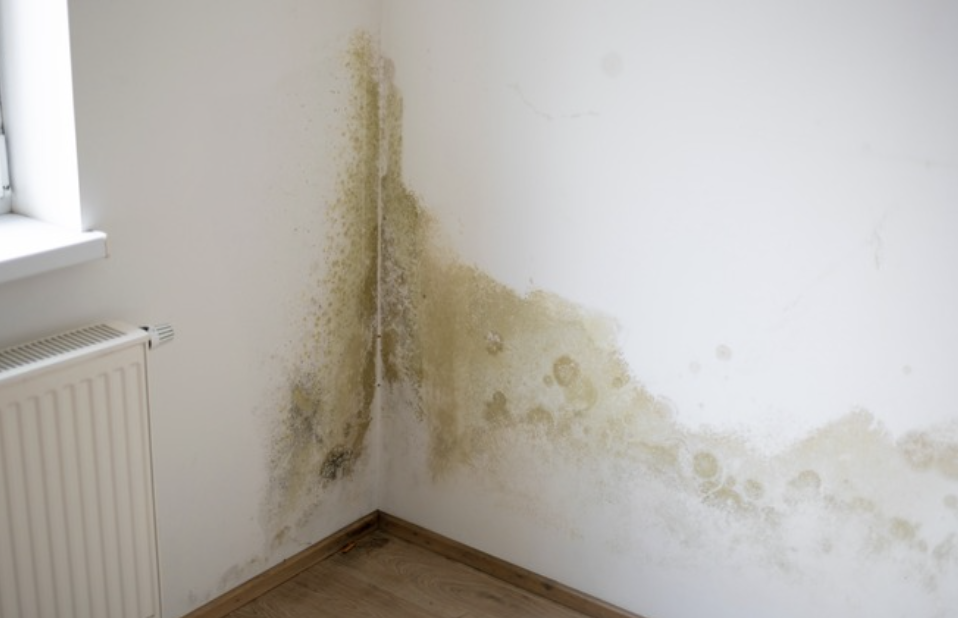
The most destructive water damage in Wisconsin homes isn't the basement flood you can see — it's the slow, invisible moisture migration inside walls and ceilings that goes unnoticed for months. By the time a stain appears or paint starts peeling, the drywall has often been saturated for weeks, the insulation is compromised, and in some cases mold has established well beyond the surface evidence. Knowing the early warning signs is what separates a minor repair from a major remediation.
Why Hidden Water Damage Is So Common in Wisconsin Homes
Wisconsin's climate creates conditions that are particularly favorable for hidden moisture problems. The freeze-thaw cycle damages roofing, flashing, and siding every winter. Snow and ice accumulate on roofs and in gutters, and ice dams push water back under shingles. Springtime thaw sends large volumes of water through soil that may still be partially frozen, creating hydrostatic pressure against foundation walls. Summer humidity — especially in the humid corridor around Waukesha and Racine — elevates ambient moisture in homes without adequate dehumidification.
Add to this Wisconsin's aging housing stock. The older bungalows and two-flats common in Washington Heights, and Riverwest neighborhoods were built with plaster walls, galvanized plumbing, and drainage systems that have been through 80–100 Wisconsin winters. Failures in these systems often develop slowly enough that no single event triggers attention.
Visual Signs to Look For
Water Staining on Ceilings
Yellow or brown ring-shaped stains on a ceiling are the most recognized sign of moisture intrusion from above. The outer ring forms where water evaporated and left mineral deposits behind. A ceiling stain that grows, shrinks with seasons, or reappears after repainting indicates an active source — not residual discoloration. The stain's location doesn't always correspond to the leak source directly above it; water travels along rafters and structural members before dropping, sometimes appearing feet away from the actual entry point.
Paint and Wallpaper Changes
Paint blistering, bubbling, or peeling away from a wall surface without a clear cause is almost always moisture-related. Water behind drywall weakens paper facing and destroys paint adhesion. Wallpaper that lifts at seams, develops bubbles, or separates in the middle of a wall is responding to the same phenomenon. In Wisconsin's older plaster-walled homes, moisture causes plaster to separate from the lath beneath it — creating a hollow sound when tapped.
Efflorescence on Basement Walls
White powdery or crystalline deposits on concrete block or poured concrete basement walls are called efflorescence — mineral salts carried to the surface by water migrating through the wall. It's a direct indicator of water moving through the foundation, even when the basement floor is dry. Efflorescence in a Wisconsin basement tells you moisture is present in the wall, not just that moisture was there once.
Warped or Buckled Floors
Flooring that cups, bows, gaps between planks, or develops soft spots is responding to moisture from below or within the subfloor. In Wisconsin's older homes, hardwood floors over pier-and-beam or crawl space foundations are vulnerable to ground moisture. In newer construction, subfloor OSB that gets wet during construction or from a slow plumbing leak swells and delaminates. Press on suspect areas — any give where there shouldn't be warrants investigation.
Smell-Based Signs
A persistent musty or earthy odor that doesn't resolve with cleaning or ventilation is almost certainly biological growth somewhere in the structure. Wisconsin basements are notorious for this — many homeowners consider a musty basement smell normal. It isn't. A well-maintained basement with properly controlled humidity doesn't smell musty. The odor means biological activity is occurring somewhere, even if you can't see it.
If the smell is stronger in specific rooms or near specific walls, that localization points toward the moisture source. Odors that are stronger after rain, or that emerge and intensify in spring, often indicate seasonal water entry from exterior sources.
Auditory Signs
The sound of water running when all fixtures are off is an obvious indicator of an active supply line leak. Less obvious: a rhythmic dripping sound inside a wall cavity, particularly after rain, can indicate a roof or flashing failure where water is running down interior surfaces before migrating into drywall. In Wisconsin homes with plaster ceilings, the sound of cracking or popping — particularly in winter — can indicate frost penetration into exterior walls where air sealing has failed and moisture has accumulated.
High-Risk Areas for Hidden Moisture in Wisconsin Homes
- Around chimneys: Chimney flashing is one of the most common leak points in Wisconsin roofs. Water infiltration at the chimney base often runs down interior walls long before appearing as a ceiling stain.
- At the roofline and soffit: Ice dam damage from Wisconsin winters pushes water back under shingles into the attic and wall cavities. Evidence often appears on interior walls of the top floor in late winter or early spring thaw.
- Under bathroom floors: Wax ring failures around toilets and shower pan leaks are slow, continuous, and consistently underestimated. Check under bathroom sinks and press on flooring near the toilet base regularly.
- Inside exterior walls: Window and door flashing failures in Wisconsin's driving rain and freeze-thaw conditions create channels where water enters exterior walls above window frames and migrates down inside the cavity.
- In crawl spaces: Homes with crawl space foundations common in older Wisconsin suburbs can accumulate significant moisture from unvented ground exposure. This moisture rises into floor systems and subfloor without any plumbing failure involved.
What to Do When You Find Signs
Don't paint over stains or ignore musty odors. These signs don't resolve on their own — the moisture source continues to do damage whether or not it's visible. A professional moisture assessment using non-invasive meters and thermal imaging can map moisture inside wall cavities and ceilings without opening them. This tells you the extent of the problem and where to focus remediation before any demolition begins.
Identifying the source always comes before remediation. Drying and repairing walls that still have an active moisture source is wasted effort and money.
Frequently Asked Questions
How do I know if I have mold inside a wall in my Wisconsin home?
The clearest indicators are a localized musty odor near a specific wall, paint or wallpaper changes on that wall surface, a history of water intrusion in that area, and any prior water events that weren't fully dried by a professional. Definitive confirmation requires either opening the wall or using specialized thermal imaging and air sampling to detect conditions consistent with mold growth inside the cavity.
Can hidden water damage cause structural problems?
Yes. Framing members that remain wet for extended periods develop wood rot. Subfloor panels delaminate and lose structural integrity. Sill plates — the horizontal lumber at the base of wall framing, resting on the foundation — are particularly vulnerable in Wisconsin basements where any moisture contact is sustained. Structural repairs are significantly more expensive than remediation alone.
My basement smells musty in the spring but not in winter. Is that a problem?
Yes. Seasonal mold activity is still mold activity. The spring emergence of the musty odor typically corresponds to thawing ground, rising soil moisture, and the reactivation of biological growth that slows in very cold temperatures but doesn't stop. Spring is the right time to investigate rather than open windows and wait for it to pass. The underlying moisture source will still be there next spring, and the damage compounds each cycle.
How much does a professional moisture assessment cost in Wisconsin?
A basic professional moisture assessment by a restoration company — using meters and thermal imaging to map moisture across affected areas — is often provided at no charge as part of an initial consultation. A formal assessment with written report from an independent industrial hygienist runs $300–$700 depending on scope. The cost is trivial compared to what gets missed without it.
Suspect Hidden Water Damage in Your Wisconsin Home?
911 Restoration of SE Wisconsin provides professional moisture assessments for homeowners throughout the Waukesha, Kenosha, and Racine area. Our IICRC-certified technicians use moisture mapping and thermal imaging to identify what's happening inside your walls before any demolition begins. If you've noticed staining, odors, or any of the signs described above, don't wait. Visit our water damage restoration page to reach our team.
Latest Posts



Contact Us
For Advice
Need help? Talk to an expert
(262) 294-6360