

24Aug
Mold Testing in Wisconsin: Do You Need an Inspection Before Remediation?
You don't always need professional mold testing before remediation, but you often should get it — particularly when the mold source is unknown, when symptoms suggest a larger problem than what's visible, or when your insurance company requires documentation of mold type and extent before approving a remediation claim. Skipping testing when it's warranted can mean remediating the wrong areas or missing the actual growth entirely.
What Mold Testing Actually Tells You
Professional mold testing can identify the species of mold present, the spore count relative to outdoor baseline levels, and whether elevated concentrations exist in areas where no visible growth appears. That last point is significant. Mold inside wall cavities, under flooring, or in attic spaces often produces elevated indoor air counts long before it breaks through to a visible surface.
What testing cannot tell you is the exact location of hidden growth. Air sampling establishes that a problem exists; physical investigation — opening walls, lifting flooring — is what establishes where it is. Testing and physical assessment together give you the complete picture.
When Testing Is Worth Doing in Wisconsin
When the Source Is Unknown
If you have a musty odor but no visible mold, or if occupants are experiencing persistent allergy or respiratory symptoms that improve when they leave the home, testing can confirm whether elevated mold concentrations exist before you start opening walls. In Wisconsin homes — particularly the older housing stock in Waukesha neighborhoods like Elm Grove and Brookfield, where basements have multiple prior water event histories — there can be multiple mold sources from different events. Testing helps scope the problem before work begins.
When a Large Area Is Suspected
If visible mold covers a significant area or the underlying water damage was extensive, testing establishes a documented baseline. This matters both for remediation scoping and for post-remediation verification later.
When Insurance Requires Documentation
Some Wisconsin homeowners insurers require documentation of mold extent and species before approving remediation coverage. A written mold assessment from a qualified industrial hygienist (IH) provides the documentation adjusters need. Without it, you may complete the remediation only to have the claim denied for lack of evidence.
Before Buying a Home in Wisconsin
Mold testing as part of a home inspection is worth the additional cost in Wisconsin, particularly for older homes, homes with any history of water damage, homes with basements (virtually all Wisconsin single-family homes), and homes that have been vacant. A musty odor during a showing is reason enough to request testing before closing.
When You May Not Need Testing First
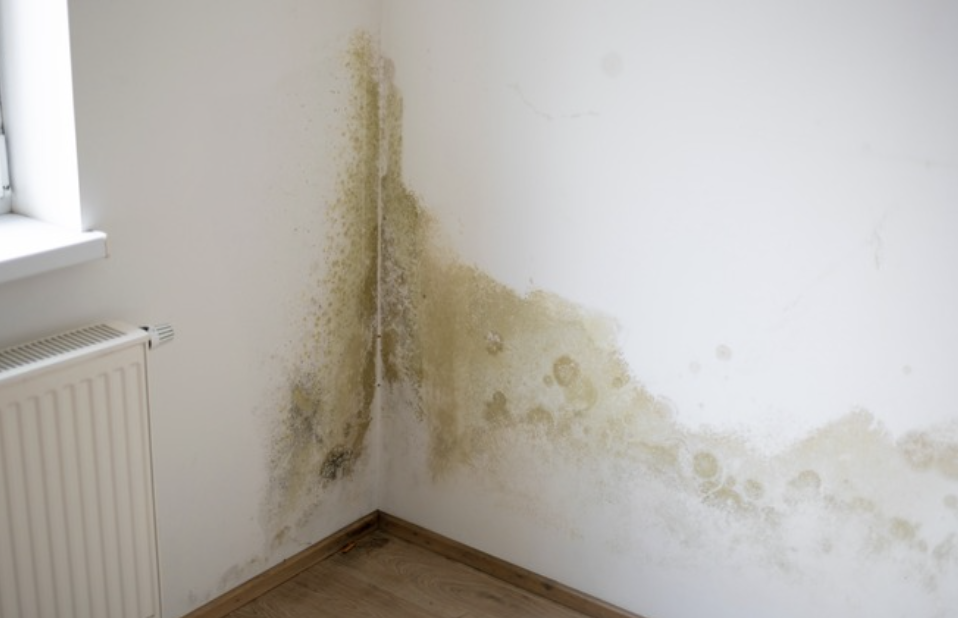
If you have clear, extensive visible mold growth from a confirmed water event with an obvious source, the EPA guidance is straightforward: remediate it according to standard protocols. The mold needs to come out regardless of species, and testing in this scenario doesn't change the work that needs to be done.
Similarly, small isolated patches under 10 square feet in a non-HVAC area can often be addressed without formal testing, provided the moisture source is resolved and the work follows IICRC remediation standards.
Types of Mold Testing Available in Wisconsin
Air Sampling
Spore trap cassettes or impactor samples are collected from indoor air and compared to outdoor control samples. Results show total spore count by species and whether indoor levels are significantly elevated above what's naturally present outside. This is the most common test type and the most useful for confirming whether a mold problem exists in occupied spaces.
Surface Sampling
Tape lifts or swabs of visible mold growth confirm species present on a specific surface. Useful for identifying species when a specific mold type (like Stachybotrys) is a concern, but doesn't address what's in the air or hidden in cavities.
Bulk Sampling
A piece of the affected material — drywall, wood, carpet — is sent to a lab for analysis. Used when there's visible growth in a material that needs to be identified before remediation scope decisions are made.
Who Should Perform Mold Testing in Wisconsin?
Mold testing should ideally be performed by someone independent from the remediation contractor. A company that tests and remediates has a financial incentive to find a problem. A certified industrial hygienist (CIH) or indoor environmental professional (IEP) working independently gives you an unbiased assessment. The American Industrial Hygiene Association (AIHA) maintains a directory of certified professionals.
Wisconsin does not license mold inspectors specifically, but IICRC certification (Council-certified Indoor Environmentalist or Council-certified Mold Remediator credentials) is a meaningful indicator of qualified practice.
Post-Remediation Testing: Don't Skip It
After remediation is complete but before containment is removed and reconstruction begins, post-remediation verification testing confirms that indoor mold levels have returned to acceptable background levels. This is the clearance certificate that demonstrates the work was successful.
Post-remediation testing is important for three reasons: it protects your health (confirms the space is safe for reoccupancy), it documents remediation success for your insurance file, and it provides disclosure documentation when you eventually sell the property.
If a restoration company tells you post-remediation testing isn't necessary, that's worth examining carefully. Any qualified remediator welcomes independent verification of their work.
Frequently Asked Questions
How much does mold testing cost in Wisconsin?
Basic air sampling with lab analysis typically runs $300–$600 for a standard residential assessment covering a few sampling locations. A full assessment from an independent IH covering multiple rooms, attic, and basement with written report runs $500–$1,200. Post-remediation clearance testing is usually less expensive than initial testing since the scope is narrower.
Can I buy a mold test kit at a hardware store and test myself?
Consumer mold test kits (petri dish settle plates) are not reliable for diagnostic purposes. They detect that mold spores are present — which they always are — but provide no meaningful quantification, species identification, or comparison to outdoor background levels. They're not accepted by insurers or used by remediation professionals for decision-making. Professional air sampling with lab analysis is a meaningfully different thing.
Does mold testing show where the mold is hiding?
Air sampling tells you mold concentrations are elevated, not exactly where the source is. Locating hidden growth requires physical investigation: moisture mapping with meters and thermal imaging to identify where conditions favor growth, followed by limited exploratory openings if needed. The two processes complement each other — testing confirms the problem exists, physical investigation locates it.
How long does it take to get mold test results in Wisconsin?
Standard lab turnaround from accredited labs is typically 3–5 business days. Rush analysis (24–48 hours) is available for an additional fee if timing is critical — for example, if a real estate transaction closing date is near.
Questions About Mold Testing or Remediation in SE Wisconsin?
911 Restoration of SE Wisconsin's IICRC-certified team works with independent environmental professionals across the Waukesha area for testing and clearance verification. If you're not sure whether you need testing before remediation, or if you're navigating an insurance claim that requires documentation, contact us to discuss your specific situation. Visit our mold removal page to learn more about how we approach the process.
Latest Posts


Contact Us
For Advice
Need help? Talk to an expert
(262) 294-6360