
24Aug
What to Do in the First 24 Hours After a Basement Flood in Southeast Wisconsin
After a basement flood in Southeast Wisconsin, your most important actions in the first 24 hours are shutting off electricity to the affected area, stopping or identifying the water source, and calling a professional restoration company — because mold can begin growing within 24–48 hours, and every additional hour of standing water means deeper material saturation and a larger remediation scope.
Before You Enter: Electrical Safety First
Never enter a flooded basement until you've confirmed the electrical situation. If the water level is anywhere near outlets, the electrical panel, or the base of appliances, cut power to the basement circuits from your main panel on a dry floor above. If your panel itself is in the basement and you cannot safely reach it, contact We Energies or your local utility to disconnect service at the meter.
This step cannot be skipped. Electrical current in flooded water is invisible and fatal. It's the leading cause of post-flood fatalities in residential structures, and Southeast Wisconsin's older housing stock — particularly in Bay View, Riverwest, and Walker's Point where basements date to the early 1900s — often has aging electrical systems that compound the risk.
Step 1: Identify and Stop the Water Source
The response differs depending on what caused the flooding:
- Burst or leaking pipe: Shut off the main water supply immediately. The main shutoff is usually near the water meter in the mechanical room or near the foundation wall where the service line enters the home.
- Sump pump failure: Check whether the pump has power. Reset it or plug in a backup pump if you have one. If the basin is overwhelmed, a sump pump can't keep up — focus on the other steps while monitoring.
- Sewer backup: Do not attempt to clean this yourself without proper PPE. Category 3 water (sewage) contains pathogens. Notify your insurer immediately and call a restoration company with biohazard protocols. Southeast Wisconsin's older neighborhoods with combined sewer systems — including parts of the Near South Side and Historic Third Ward — are particularly prone to combined sewer overflows (CSOs) during heavy rain events.
- Groundwater/storm flooding: If the water is coming in through foundation walls or window wells from an external storm event, there's no shutoff. Focus on extraction as quickly as possible and document everything for your insurance claim.
Step 2: Document Everything Before Cleaning
Before you move anything, photograph and video the entire flooded space. Document:
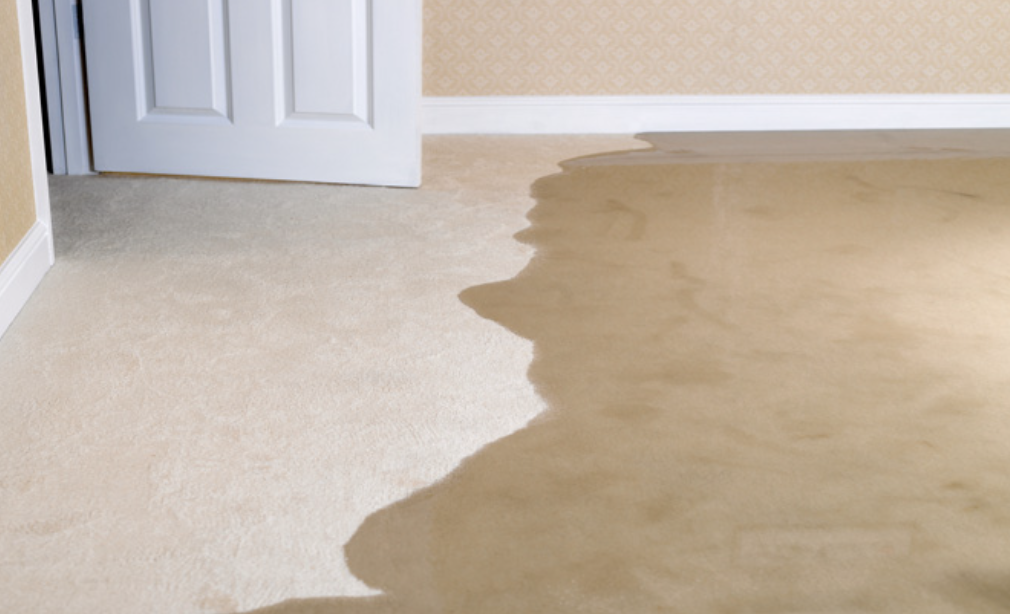
- Water level on walls and the waterline it leaves behind
- All damaged contents in their current positions
- The source of the water if visible
- Any structural damage — cracked walls, buckled flooring, damaged mechanicals
Time-stamped photos from your phone build the timeline your insurance adjuster needs. If you clean up before documenting, you've weakened your own claim.
Step 3: Call 911 Restoration — Don't Wait Until Morning
Water damage restoration is a 24/7 emergency service for a reason. Calling at 2 AM is appropriate. Every additional hour of standing water means:
- More moisture wicks up drywall, often damaging material well above the visible waterline
- Subfloor panels swell and delaminate
- Wood framing absorbs moisture that takes significantly longer to dry
- The 24–48 hour mold window begins the moment flooding starts
911 Restoration of SE Wisconsin provides 24/7 emergency response throughout the Southeast Wisconsin metro area and surrounding southeastern Wisconsin communities. The sooner extraction equipment arrives, the shorter the total remediation timeline and the lower the total cost.
Step 4: Start Removing Salvageable Items (If Safe)
While waiting for the restoration team, move electronics, important documents, irreplaceable personal items, and anything portable to dry areas of the home. Do not move items that are damaged and have insurance value until they've been documented in place.
Do not attempt to use a standard shop vac on sewage-contaminated water. It aerosolizes biological matter. Do not run a gas-powered pump indoors.
Step 5: Call Your Insurance Company
Notify your insurer within 24 hours of the event. Most policies require "prompt notification." Have the following ready when you call:
- Date and time you discovered the flooding
- The cause, as best you can determine
- What steps you've taken to mitigate further damage
- Whether a restoration company has been called
Coverage depends heavily on the cause. A burst pipe is typically covered. Sewer backup usually requires a separate endorsement (water backup rider). Groundwater flooding typically requires NFIP flood insurance. Knowing your coverage before you file helps you set realistic expectations.
What Happens When the Restoration Team Arrives
The team will immediately begin moisture mapping — using meters to assess how far water has migrated into walls, floors, and structural materials. Then comes water extraction, followed by industrial air movers and dehumidifiers that run continuously for several days. Technicians return daily to check moisture readings. Work doesn't end when the basement looks dry — it ends when meters confirm structural materials have reached target moisture content.
Frequently Asked Questions
Can I stay in my home during basement flood restoration?
Often yes, as long as the flooding is isolated to the basement and the living areas above are unaffected. If the water involved sewage, significant mold, or if the mechanical systems serving the house (furnace, water heater, electrical) were compromised, temporary relocation may be safer. Your restoration company will advise based on what they find.
Does Southeast Wisconsin homeowners insurance cover basement flooding?
It depends on the cause. Burst pipe flooding is typically covered under standard homeowners policies. Sewer backup requires a water backup endorsement — common in Southeast Wisconsin but not automatic. External flooding from storm water is only covered under a separate NFIP or private flood policy. Check your policy's endorsements before assuming coverage.
How long does basement drying take in Wisconsin?
Structural drying typically takes 3–5 days for a standard basement event under normal Southeast Wisconsin conditions. Concrete block walls and poured concrete foundations dry more slowly than wood-framed walls. Winter events, when outdoor air is extremely dry, can sometimes speed evaporation — though the equipment still needs to run to the completion of target readings.
What's the difference between water damage categories 1, 2, and 3?
Category 1 is clean water from a sanitary source (supply line burst, rainwater). Category 2 is grey water with some contamination (washing machine overflow, dishwasher, toilet overflow without solids). Category 3 is black water — sewage, groundwater that has picked up contamination, floodwater. Each category requires a different remediation protocol and level of PPE. Category 3 events almost always require professional handling.
Had a Basement Flood in the Southeast Wisconsin Area?
911 Restoration of SE Wisconsin provides 24/7 emergency response for basement flooding, sump pump failure, burst pipes, and sewage backup throughout Southeast Wisconsin and southeastern Wisconsin. Our IICRC-certified team arrives with extraction equipment ready. Contact us immediately — the first hour matters more than any other. Visit our water damage restoration page or call us day or night.
Latest Posts


Contact Us
For Advice
Need help? Talk to an expert
(262) 294-6360