
16May
Does Homeowners Insurance Cover Water Damage and Mold?
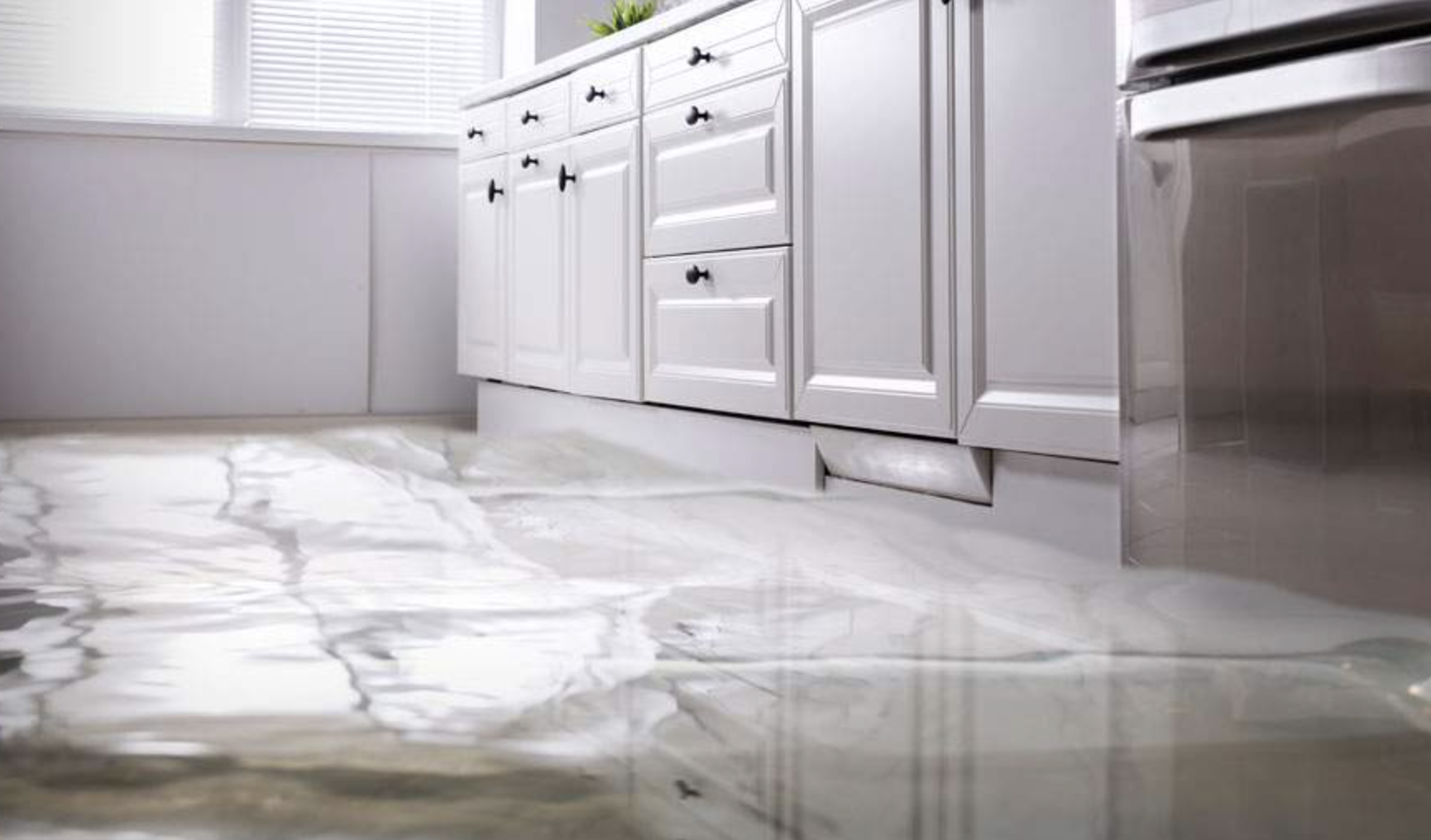
Homeowners insurance covers water damage and mold when the cause is sudden and accidental — like a burst pipe or a washing machine hose failure. It does not cover damage from gradual leaks, long-term seepage, flooding, or neglected maintenance, regardless of how severe the damage becomes.
That one-sentence answer is the framework. Everything else in this guide fills in the details that determine whether your specific claim gets paid — or denied.
The Core Rule: Sudden and Accidental vs. Gradual and Ongoing
Insurance companies draw a bright line between two types of water damage:
Covered (sudden and accidental):
- Pipe bursts from a Wisconsin freeze event (a broken or frozen pipe that fails suddenly)
- Washing machine or dishwasher supply hose failure
- Toilet overflow from a sudden blockage
- Water heater rupture
- Roof damage from a storm that allows rain to enter (sudden structural failure)
- Accidental bathtub overflow
Not covered (gradual or ongoing):
- Slow plumbing leak behind a wall that has been occurring for months
- Long-term basement seepage through foundation cracks
- Roof that has been degrading over time and eventually leaks
- Moisture intrusion from inadequate grading or drainage around the foundation
- Flooding from surface water, rivers, or sewer overflow (requires separate flood insurance)
- Neglected maintenance issues
The logic is that insurance covers unexpected catastrophic events, not the predictable consequences of deferred maintenance or slow deterioration.
When Does Homeowners Insurance Cover Mold?
Mold coverage follows the same rule as water damage — and it's directly tied to the source of the moisture.
Mold is covered when:
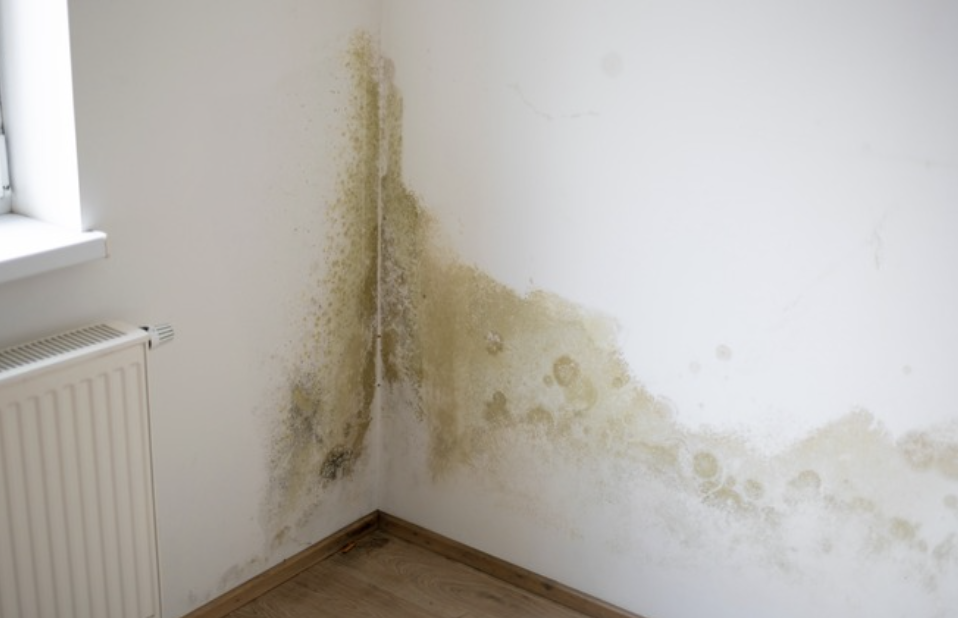
- It develops as a direct result of a covered water damage event (burst pipe, appliance failure) that was remediated promptly
- The mold growth was not reasonably discoverable — meaning it grew hidden inside a wall or under flooring following a covered event
Mold is not covered when:
- It developed from a gradual, ongoing moisture source (slow drip, basement humidity, foundation seepage)
- The homeowner was aware of moisture issues and didn't address them
- It's related to flood damage (which requires a separate flood policy)
- It developed from poor ventilation or high indoor humidity maintained over time
The key phrase in most policies is "sudden and accidental." If a pipe burst on a Monday and mold was present by Thursday, that's connected to a covered event and your insurer should respond. If mold grew in a basement that has been damp for two years, that is not covered under a standard policy.
What Type of Water Damage Is Not Covered by Insurance?
This is one of the most common questions after a damage event — and knowing the answer before you call your insurer can help you frame the claim accurately.
Standard homeowners policies do not cover:
- Flood damage from surface water, storm surge, or rising groundwater (requires NFIP flood insurance or a private flood policy)
- Sewer or drain backup (usually requires a separate sewer backup endorsement)
- Seepage through basement walls from hydrostatic pressure
- Gradual water intrusion through foundation cracks
- Damage from a roof that has been in poor condition over time
In Southeast Wisconsin, this last point is particularly important. Because of our heavy clay soils and the hydrostatic pressure they create against foundation walls, basement seepage is extremely common — and almost universally excluded from standard homeowners coverage. Homeowners who have experienced chronic damp basements for years are rarely covered for water damage that appears to trace back to that condition.
The Wisconsin-Specific Factors That Affect Your Claim
Several regional conditions in Southeast Wisconsin make water and mold claims more nuanced than in other states.
Frozen pipe claims
Wisconsin winters routinely bring temperatures that freeze pipes — particularly in homes with inadequate insulation in crawl spaces, rim joists, and exterior walls. Pipe freeze claims are generally covered as sudden and accidental events. However, if your insurer can demonstrate that the home was left unheated or that the homeowner knew about inadequate pipe insulation and took no action, coverage may be disputed.
Sewer backup from municipal system overload
During heavy rain events in Racine and Kenosha, combined sewer systems frequently overflow, forcing sewage backward through floor drains. This is sewer backup — not flood damage — and it typically requires a specific sewer backup rider on your policy. Standard homeowners insurance does not cover it.
Mold from basement seepage
This is the most frequently denied claim category in our region. If basement mold can be traced to long-term wall seepage driven by hydrostatic pressure — a near-constant condition given SE Wisconsin's clay soils — it will almost certainly be excluded.
Ice dam damage
When snow melts on a warm roof and refreezes at the cold eaves, it creates an ice dam that can force water under shingles and into the attic or walls. If the roof was in good condition prior to the event, ice dam water intrusion is generally covered. If the roof was already aged or deteriorating, coverage is more complex.
How to Get Insurance to Pay for Mold Removal
Maximizing your coverage for a mold claim connected to a covered water event requires documentation and timing.
Step 1: Act immediately after the water event. The faster you respond to water damage, the more likely mold remediation will be connected to a covered event. Mold begins to grow within 24–48 hours of a moisture event. Delaying remediation gives insurers grounds to argue the mold developed from neglect rather than the original event.
Step 2: Document everything before cleanup begins. Photograph the water source, the extent of water damage, and any visible mold growth before moving a single item. Your adjuster will need this evidence to connect the mold to the covered water event.
Step 3: Work with a restoration company that provides professional documentation. When 911 Restoration responds to a claim, we document moisture readings, affected material categories, and remediation scope in the format insurers require. This professional documentation significantly strengthens your claim.
Step 4: Understand your mold coverage limits. Many policies cap mold remediation at $5,000 to $10,000 even when the mold is connected to a covered event. Know your policy limits before work begins — your restoration company and adjuster can help you understand what's included.
Step 5: If your claim is denied, ask why in writing. Insurance claim denials must include specific reasons. If you believe your claim was denied unfairly — particularly if the mold developed from a sudden water event that was clearly covered — you have the right to dispute the denial. Consulting a public adjuster or an insurance attorney is a legitimate option.
What Not to Say to a Homeowners Insurance Adjuster
How you describe the damage when you first call your insurer can significantly affect your claim outcome.
Avoid:
- Speculating about how long the damage has been present ("I think this has been leaking for a while...")
- Making statements about the cause before the adjuster has assessed the situation
- Using language that suggests gradual damage if you genuinely believe the event was sudden
- Agreeing to a settlement before you understand the full scope of remediation needed
Do:
- Report the event as promptly as possible — delayed reporting can be used against you
- Stick to observable facts: "There is water coming from the pipe under the sink" rather than "I think the pipe has been leaking for months"
- Request that the adjuster's assessment be conducted before cleanup begins, if possible
- Ask your restoration company to be present during the adjuster's visit — they can speak to the technical scope of remediation needed
We Work With Your Insurance Company — So You Don't Have To
Navigating a water damage or mold claim while also dealing with the stress of the damage itself is overwhelming. 911 Restoration of Southeast Wisconsin provides direct insurance billing and works with adjusters from all major carriers. We document your loss in the format insurers require, communicate directly with your claims team, and advocate for the full scope of remediation your home needs.
If you're dealing with water damage or mold remediation in Racine, Kenosha, Oak Creek, New Berlin, Muskego, Waterford, or surrounding Southeast Wisconsin communities, we're here — 24/7, with a 45-minute response commitment.
Contact 911 Restoration of Southeast Wisconsin to start the process. We'll handle the restoration and the paperwork.
Latest Posts



Contact Us
For Advice
Need help? Talk to an expert
(262) 294-6360