
16May
Early Signs of Mold in Your House
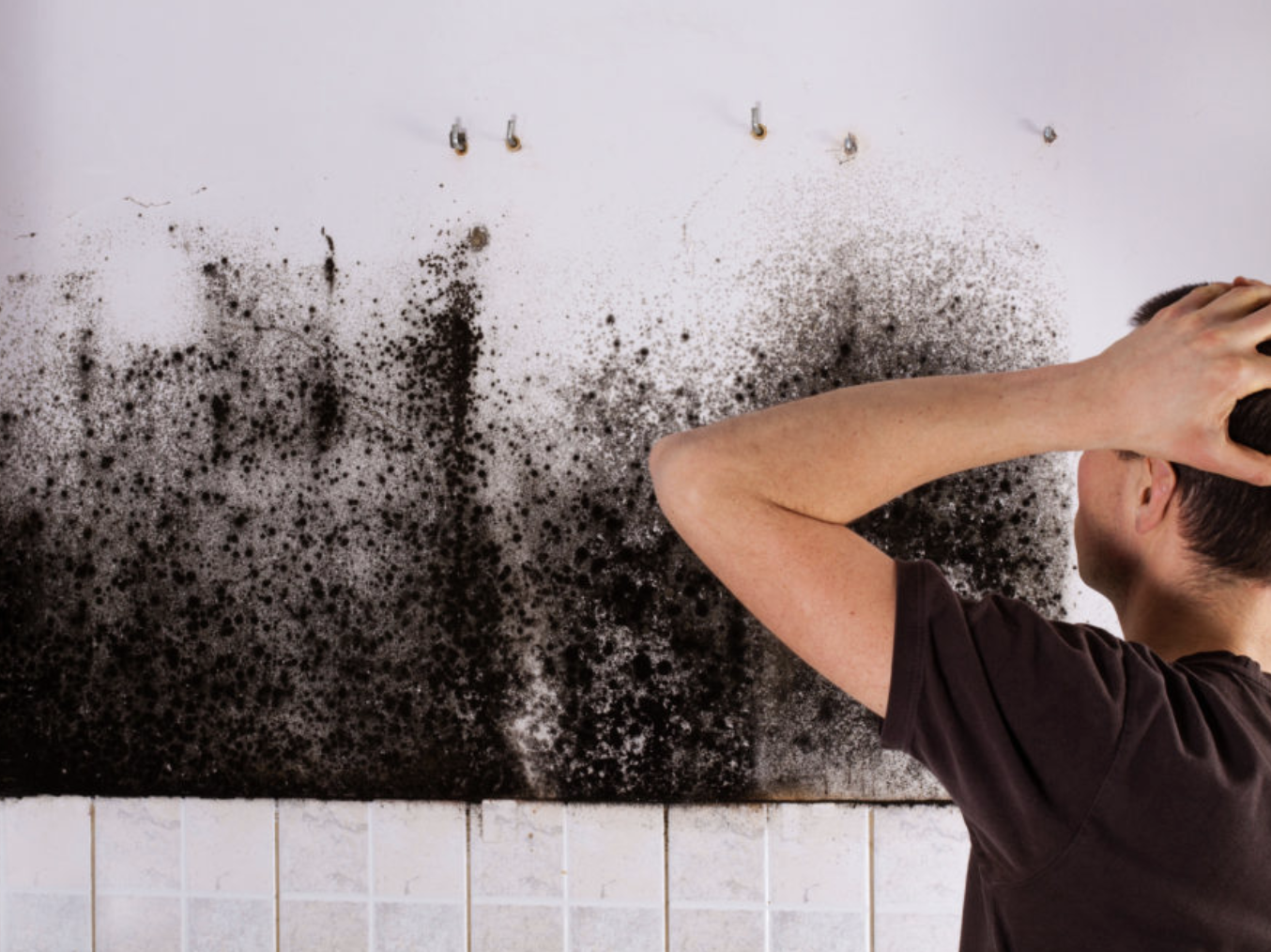
The earliest signs of mold in a house are a persistent musty or earthy odor, small fuzzy or discolored spots appearing on walls or ceilings, and unexplained allergy-like symptoms in household members — often before any visible mold growth is large enough to notice.
Most homeowners don't find mold when it's small. They find it when it's already a problem. This guide helps you catch it earlier — when remediation is simpler, faster, and less costly.
Why Early Detection Matters
Mold colonies double in size rapidly under the right moisture conditions. A patch the size of a dinner plate today can spread to cover an entire wall cavity within weeks if the moisture source isn't addressed. In Southeast Wisconsin's climate — where basement humidity stays elevated year-round due to clay soil moisture migration and Lake Michigan's influence — mold has a reliable moisture supply in many homes.
The first signs are subtle. They're easy to dismiss. That's why they're worth knowing specifically.
The 7 Early Signs of Mold in Your House
1. A Persistent Musty or Earthy Odor
This is almost always the first sign — and it appears before visible growth in the majority of cases. The smell comes from microbial volatile organic compounds (MVOCs) released by actively growing mold colonies. It is distinctly earthy, damp, or reminiscent of rotting wood.
What distinguishes it from normal basement smell: A musty odor that is consistent rather than seasonal, that intensifies in specific areas or rooms, or that seems to follow you from one part of the home to another is a reliable early warning sign.
What to do: Don't mask it with air fresheners. Trace it to its strongest source. That's where to look first.
2. Fuzzy, Discolored, or Slimy Spots on Surfaces
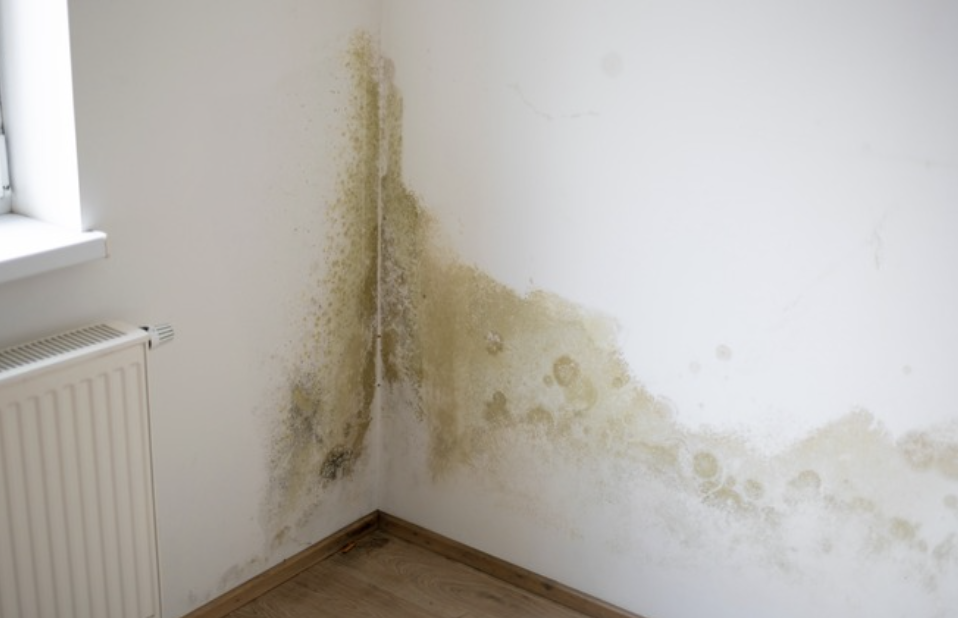
Early mold growth appears as small spots — often white, gray, green, black, or pink — on walls, ceilings, window frames, grout lines, or anywhere moisture contact is possible. The texture varies by species: some appear fuzzy (Penicillium, Aspergillus), some look slimy (Stachybotrys in wet conditions), and some look like dark staining.
Key distinction from mold look-alikes:
- White powdery deposits on concrete or block walls — likely efflorescence (mineral deposits), not mold
- Pink or orange residue in showers — often Serratia marcescens bacteria, not mold, but worth addressing
- Dark grout staining — can be mildew or soap scum; test with a drop of bleach; if it lightens immediately, it's likely not mold
If the spot doesn't respond to surface cleaning or returns quickly, treat it as potential mold.
3. Water Stains or Discoloration With No Obvious Leak
Yellow-brown staining on walls or ceilings — particularly in areas not directly under plumbing — indicates past or ongoing moisture intrusion. Where moisture has been, mold follows.
In Southeast Wisconsin homes, staining at the base of basement walls is a frequent indicator of hydrostatic pressure-driven moisture migration through foundation concrete. Staining at ceiling perimeters in upper floors often traces to roof or gutter drainage failures.
What to do: Probe the stained area lightly with a screwdriver. If the drywall or wood is soft, spongy, or crumbles easily, active moisture is still present and mold is almost certainly established.
4. Peeling, Bubbling, or Warping Paint or Wallpaper
Moisture behind a painted surface creates pressure that causes paint to bubble and peel from the substrate. Wallpaper may lift, buckle, or separate at seams. Both are reliable indicators that moisture is present behind the surface — and where moisture has been present for more than 24–48 hours, mold colonization is likely.
This sign is particularly important on exterior walls and in bathrooms, where moisture sources are most common.
5. Allergy-Like Symptoms That Improve When You Leave the House
This is one of the most consistent patterns reported by homeowners who later confirmed mold. If one or more household members experience:
- Persistent nasal congestion or runny nose
- Sneezing that seems unrelated to seasonal triggers
- Itchy or watery eyes
- Skin rash or irritation
- Coughing that doesn't resolve
- Headaches that occur primarily at home
...and these symptoms improve noticeably when away from home for a day or more, airborne mold spores are a likely cause. Children and adults with asthma or allergic sensitivities will typically show symptoms first.
This pattern doesn't prove mold — but combined with any other sign on this list, it significantly raises the probability.
6. Rust or Deterioration on Pipes, Vents, or Mechanical Equipment
Surface rust on plumbing pipes, HVAC components, or water heater connections indicates consistent moisture exposure in the area. While rust itself isn't mold, the moisture conditions that create rust also support mold growth on adjacent organic materials (wood framing, insulation, drywall).
If you see rust on mechanical equipment in your basement or utility room, inspect the surrounding walls, framing, and insulation for early mold signs.
7. A History of Water Intrusion Events That Were "Cleaned Up"
This isn't a visible sign — it's a risk factor that dramatically increases the probability of hidden mold.
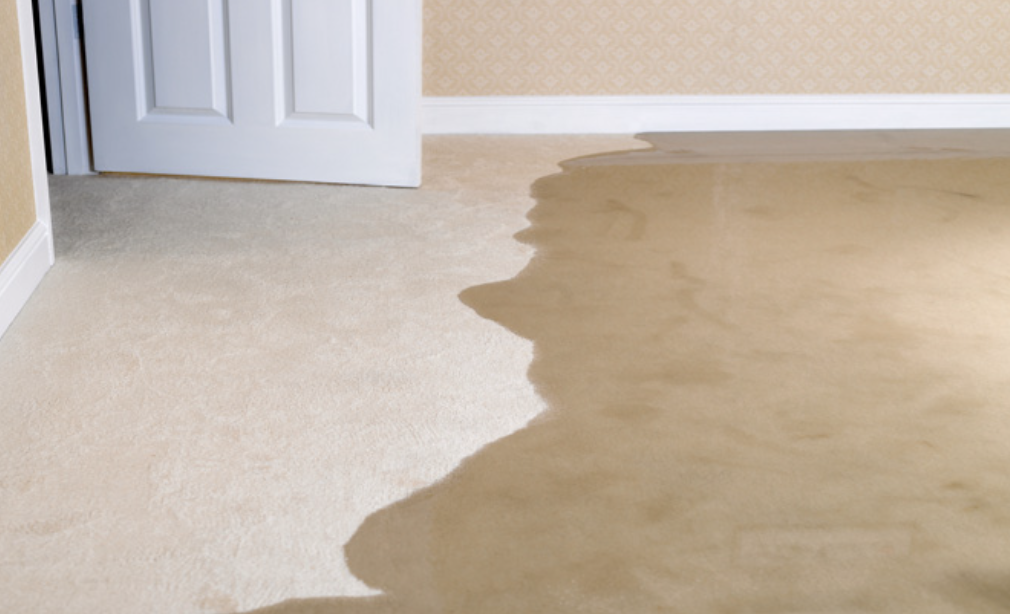
If your home has experienced any of the following in the past and the affected materials were not professionally dried and verified within 48 hours:
- Basement flooding from sump pump failure
- Burst or leaking pipe
- Sewage backup
- Ice dam water intrusion
- Appliance hose failure
...there is meaningful probability that mold established itself in wall cavities, under flooring, or in insulation during the moisture event. Professional-grade drying (not just running fans) is required to prevent this outcome. If you're not sure whether your home was fully dried after a past event, that uncertainty is worth resolving with a professional inspection.
Where to Look for Hidden Mold in Your House
Early mold is rarely in plain sight. The most productive inspection locations:
- Basement rim joist — the wood framing at the top of the foundation wall, just below the first floor; consistently moist in SE Wisconsin homes
- Under and behind basement drywall — water wicks from foundation walls into framing and drywall without appearing on the surface
- Under carpet and floating flooring installed over concrete — mold grows on backing material when vapor barriers are absent or inadequate
- Behind and under appliances — refrigerators, dishwashers, and washing machines with slow supply line drips create concealed moisture
- Inside wall cavities adjacent to bathrooms — grout and caulk failures allow moisture into the wall framing over years
- In the attic — insufficient ventilation and ice dam events are primary causes; inspect attic plywood decking for dark staining
What Are the 10 Warning Signs of Mold Toxicity?
This is one of the most searched related questions on this topic — and it's worth addressing directly. "Mold toxicity" typically refers to health effects from exposure to mycotoxins produced by certain mold species, including Stachybotrys.
Signs that mold exposure may be affecting your health include:
- Chronic fatigue that doesn't improve with rest
- Persistent headaches or brain fog
- Recurring respiratory infections
- Unexplained coughing or wheezing
- Sinus congestion that doesn't respond to typical allergy treatment
- Eye irritation (redness, watering, sensitivity to light)
- Skin rash or unexplained dermatitis
- Muscle aches or joint pain without injury
- Mood changes, anxiety, or difficulty concentrating
- Nausea, particularly when at home
These symptoms are not definitive proof of mold illness — they overlap with many other conditions. But if multiple symptoms are present and correlate with time spent in a specific space, a professional mold assessment is warranted.
What to Do If You Find Early Signs of Mold
Small, isolated surface mold on non-porous materials (tile, glass, metal): Clean with undiluted white vinegar or a commercial fungicidal cleaner. Improve ventilation in the area. Monitor for recurrence.
Any mold on porous materials (drywall, wood, insulation, carpet): Do not attempt to clean. The mold root system (hyphae) penetrates below the surface; surface cleaning is ineffective and spreads spores into the air. Call a certified mold remediation professional.
Suspected hidden mold (smell without visible growth, past water events): Request a professional inspection with moisture metering and thermal imaging. Air sampling can confirm elevated spore counts before any physical evidence is visible.
911 Restoration of Southeast Wisconsin: Mold Inspection and Remediation
If you've found early signs — or if you're not sure what you're looking at — our IICRC-certified team provides professional mold assessments across Racine, Kenosha, Oak Creek, New Berlin, Muskego, Waterford, and surrounding Southeast Wisconsin communities. We use moisture meters and thermal imaging to find what isn't visible, and we provide honest, complete remediation following IICRC S520 standards.
Learn more about our mold removal process or contact us today to schedule an assessment. Catching it early makes all the difference.
Latest Posts



Contact Us
For Advice
Need help? Talk to an expert
(262) 294-6360