

5May
Is This Toxic Mold: How to Identify Harmful Mold in Your Home
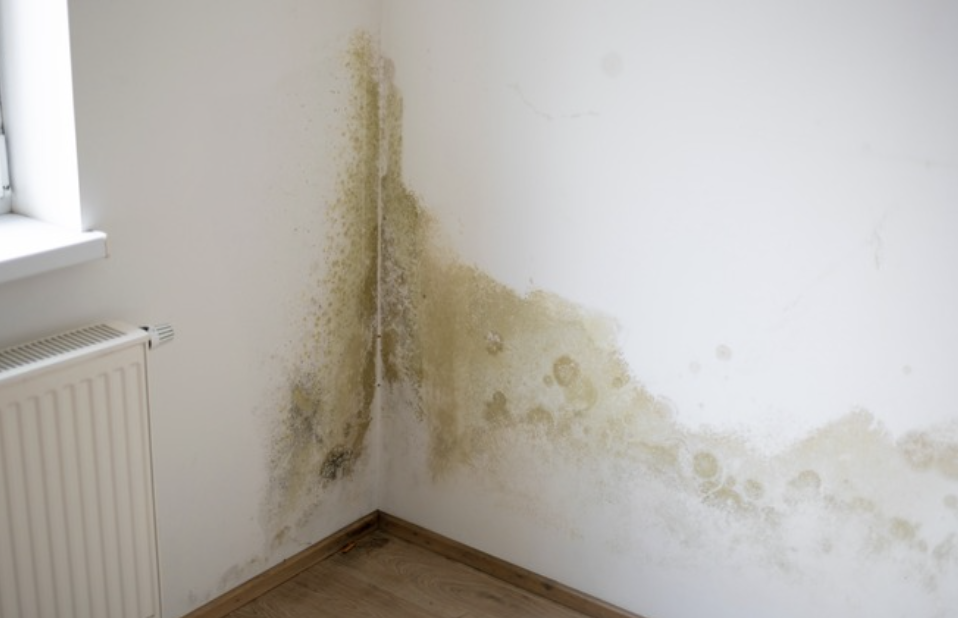
Toxic black mold (Stachybotrys chartarum) is dark greenish-black, slimy or powdery in texture, and almost always found on surfaces that have been wet for a prolonged period — if you see it, do not disturb it and do not attempt to clean it yourself.
That one-sentence answer is what you need right now if you're standing in your basement or bathroom staring at a dark growth and wondering whether to be worried. The honest answer is: some mold is a minor nuisance, and some is a serious health threat. Knowing the difference — and knowing what to do next — is what this guide is for.
Not All Mold Is Created Equal
The word "mold" covers thousands of fungal species. The overwhelming majority of them are cosmetic problems — ugly, musty, and worth addressing — but not the immediate danger that "toxic black mold" implies. The species that warrants the most caution is Stachybotrys chartarum, commonly referred to as black mold, and it has a specific profile that distinguishes it from garden-variety household mold.
The key distinction most homeowners miss: color alone does not identify toxic mold. You can have harmless black-colored mold and dangerous greenish-gray mold. What matters is the combination of appearance, growth pattern, moisture history, and location.
How to Identify Stachybotrys (Toxic Black Mold)
Appearance
Stachybotrys is typically:
- Dark greenish-black in color, sometimes appearing almost charcoal gray
- Slimy or wet-looking when actively growing in a moisture-rich environment
- Powdery or sooty in appearance when it dries out
- Found in large patches, not scattered spots — it tends to colonize aggressively once established
It is almost never fuzzy in the way common bathroom mold appears. Fuzzy, white, gray, or blue-green patches are more often Penicillium, Aspergillus, or Cladosporium — all worth remediation, but a different risk category.
Where It Grows
Stachybotrys requires one specific condition above all others: sustained, prolonged moisture contact with cellulose-rich materials. This means:
- Drywall that has been wet for days or weeks (not hours)
- Wood studs, subflooring, and ceiling tiles with extended water exposure
- Paper-backed insulation in crawl spaces or rim joists
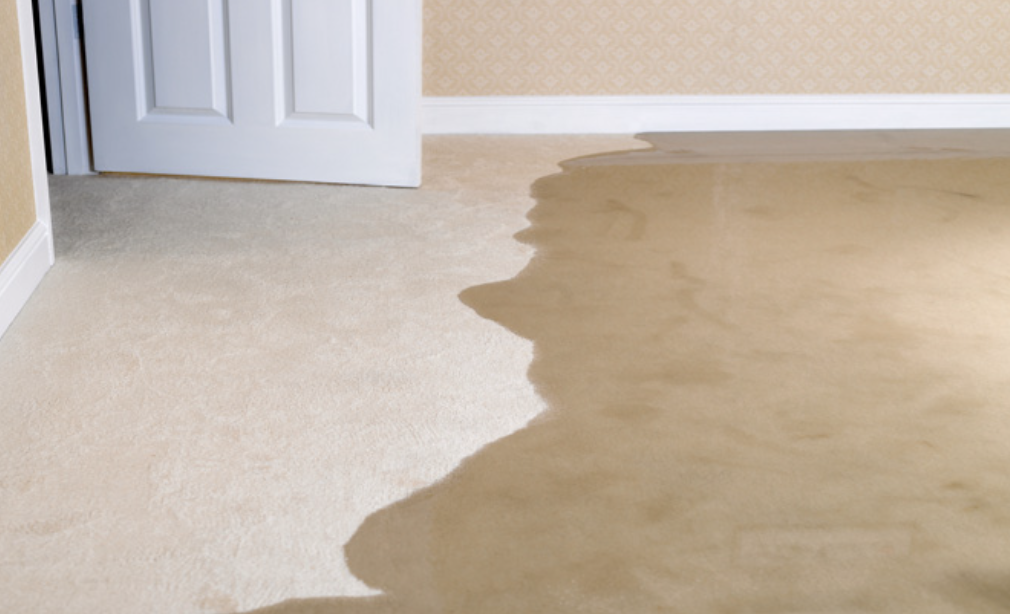
- Carpet padding that never fully dried after a flood
This is why toxic black mold is rarely found in showers. Showers are wet, but they dry out. Stachybotrys needs material that stays wet — which is exactly what happens inside walls after a slow plumbing leak, or in a basement after a flood that wasn't fully dried within 24–48 hours.
What It Smells Like
Black mold produces a distinctive odor: heavy, musty, and earthy — often described as similar to rotting wood or wet soil. If a room in your home has a smell that you cannot source to anything visible, mold may be growing inside a wall cavity, under flooring, or behind a finished surface.
Why Southeast Wisconsin Homes Are Particularly Vulnerable
Homeowners in Kenosha, Racine, Oak Creek, New Berlin, Muskego, and Waterford deal with a set of conditions that make mold — including the serious kind — far more likely than in drier climates.
Lake Michigan Shoreline Humidity
Properties within several miles of the Lake Michigan shoreline experience consistently elevated humidity levels, particularly from late spring through fall. Humidity above 60% is sufficient for most mold species to grow on a surface with any organic material — including dust. Homes along the Racine and Kenosha waterfronts, and properties near the Root River corridor, face this humidity baseline year-round.
Heavy Clay Soils and Foundation Moisture
Southeast Wisconsin's heavy clay soils do not drain efficiently. After significant rainfall or snowmelt, water pools against foundation walls and creates sustained hydrostatic pressure that forces moisture through concrete block and poured concrete foundations. Basement walls that look dry can be transferring enough moisture vapor to sustain mold on wood framing, drywall, and insulation without any visible water intrusion.
Older Housing Stock
A significant portion of the residential housing stock in Racine and Kenosha was constructed between 1920 and 1960. These homes often have:
- Minimal or absent vapor barriers in crawl spaces and basements
- Original wood-lathe plaster walls that retain moisture for extended periods
- Antiquated drainage systems prone to slow leaks and seepage
- Limited mechanical ventilation that allows humidity to accumulate
The combination of older construction and Wisconsin's climate creates near-ideal conditions for persistent mold growth.
Freeze-Thaw Cycles
Wisconsin's freeze-thaw cycles cause expansion and contraction in foundation concrete and mortar joints, creating micro-cracks that admit water. Over time, these pathways widen — and the water they admit doesn't always leave. In spring especially, foundations that appear intact from the inside may be saturating basement air with enough moisture to fuel mold growth on organic surfaces throughout the space.
Common Mold You Are Probably Not Looking At
If the growth in your home is:
- White and powdery — likely efflorescence (mineral deposits from concrete), not mold at all
- White and fuzzy — possibly Penicillium or Aspergillus, still worth removing professionally but a different profile than Stachybotrys
- Orange or pink — common bathroom bacteria (Serratia marcescens), not mold
- Small, isolated spots in a shower or around a window — standard mildew, addressable with improved ventilation and cleaning
- Dark gray and fuzzy, appearing quickly after a surface got wet — likely Cladosporium, very common and not in the same risk category as Stachybotrys
None of the above should be ignored, but none of them require the same urgency as confirmed or suspected Stachybotrys on drywall or wood framing.
Health Symptoms Associated With Toxic Mold Exposure
The reason Stachybotrys warrants a different level of concern is that it produces mycotoxins — compounds that can cause adverse health effects in humans, particularly with prolonged exposure. Reported symptoms include:
- Persistent respiratory issues (coughing, wheezing, shortness of breath)
- Chronic sinus congestion and headaches
- Eye and throat irritation
- Neurological symptoms in cases of heavy long-term exposure (memory fog, fatigue)
- Skin irritation
Immunocompromised individuals, infants, the elderly, and people with existing respiratory conditions are at significantly higher risk. If household members are experiencing unexplained chronic respiratory symptoms and you have any reason to suspect hidden mold, do not wait.
What You Should Not Do
If you believe you are looking at toxic black mold:
- Do not disturb or attempt to clean it. Agitation releases spores into the air.
- Do not apply bleach to porous surfaces. Bleach does not penetrate drywall or wood — it removes surface color while leaving the mold root system (hyphae) intact, and may temporarily conceal the problem.
- Do not run fans in the affected area. Fans spread spores to unaffected areas of your home.
- Do not seal it over with paint or drywall compound. Mold will continue growing beneath the surface.
The correct response is professional testing and, if confirmed, professional remediation following IICRC S520 standards.
When to Call a Professional Mold Removal Expert
Call a certified mold remediation specialist if:
- You see dark growth on drywall, wood framing, or insulation — especially after any water event
- You smell a persistent musty or earthy odor you cannot source
- Household members are experiencing unexplained respiratory symptoms
- You have recently experienced a flood, plumbing leak, or extended moisture event that was not fully dried within 48 hours
- You find growth in a wall cavity, under flooring, or in a concealed space
Professional remediation is not just about removing visible mold. It involves containment, air filtration, disposal of affected materials, treatment of remaining surfaces, and post-remediation verification testing — steps that protect your family and your home's structural integrity.
The Bottom Line for Mold Identification
If you are asking whether the growth in your home is dangerous, that question deserves a professional answer — not a guess based on color alone. Mold identification without air or surface sampling is inherently uncertain, and the consequences of underestimating a Stachybotrys infestation are serious.
If you're in Southeast Wisconsin and you're not sure what you're looking at, the right move is a professional assessment. Our team at 911 Restoration of Southeast Wisconsin is certified in IICRC S520 mold remediation standards and serves Racine, Kenosha, Oak Creek, New Berlin, Muskego, Waterford, and the surrounding area.
Request a mold inspection and assessment today. We'll tell you exactly what you're dealing with and what it takes to fix it — no guesswork, no pressure.
Latest Posts



Contact Us
For Advice
Need help? Talk to an expert
(262) 294-6360