

23Jul
Refrigerator Water Line Leak: Hidden Damage Wisconsin Homeowners Miss
A refrigerator water line leak rarely announces itself. The supply line runs hidden behind the appliance, the drip volume is small, and the area beneath a refrigerator is almost never inspected. In Wisconsin homes, where kitchen floors frequently sit over full basements and older plumbing fixtures are common, a slow refrigerator water line leak can quietly saturate the subfloor for weeks — or drip directly into the basement below — before any visible sign appears on the kitchen surface.
By the time you notice buckled flooring or a musty smell in the kitchen, the damage beneath what you can see is typically far more extensive than the affected surface suggests. Here's what SE Wisconsin homeowners need to know about finding this leak, understanding the damage it causes, and resolving it correctly.
What Is the Refrigerator Water Line?
The refrigerator water line is the small supply tube connecting your home's cold water supply to the refrigerator's ice maker and water dispenser. In most Wisconsin homes, it connects to a saddle valve — a clamp-on fitting attached to a nearby copper supply pipe — typically in the cabinet below the kitchen sink or in the wall behind the refrigerator.
Three types of supply line material are in use:
- Copper tubing — Durable but prone to kinking if the refrigerator is moved roughly. Kinks create permanent weak points that eventually fail. Also susceptible to pinhole corrosion in homes with aggressive water chemistry.
- Braided stainless steel — The most reliable option. Protects the inner hose with a woven exterior and can last 10+ years without issue. This is what we recommend when replacing a failed line.
- Plastic (polyethylene) tubing — The most common and most failure-prone. Plastic tubing becomes brittle with age, cracks at fittings, and is easily damaged when the refrigerator is moved. A significant portion of the refrigerator water damage calls we see in SE Wisconsin involve failed plastic supply lines.
A Wisconsin-Specific Risk: Freezing Supply Lines
Wisconsin homeowners have an additional concern that doesn't apply in warmer climates: refrigerator water lines routed through unconditioned spaces or along exterior walls can freeze during severe cold snaps. When the line freezes, the ice maker stops producing — which is often the first sign of a problem. But when it thaws, the ice that formed inside the line may have cracked a fitting or the plastic tubing itself, creating a new leak point.
If your ice maker suddenly stopped working during a cold stretch and resumed (or didn't resume) when temperatures warmed, pull the refrigerator from the wall and inspect the supply line carefully. A line that froze and thawed may not be visibly damaged but can be failing at a fitting or internal crack. Our guide on frozen pipes in Wisconsin covers the broader freeze/thaw risk context that applies here as well.
Why Refrigerator Leaks Are Especially Damaging in Wisconsin Homes
Most SE Wisconsin homes were built with full basements, which means the kitchen floor sits over a basement rather than a concrete slab. This creates a dynamic that's different from slab-on-grade construction:
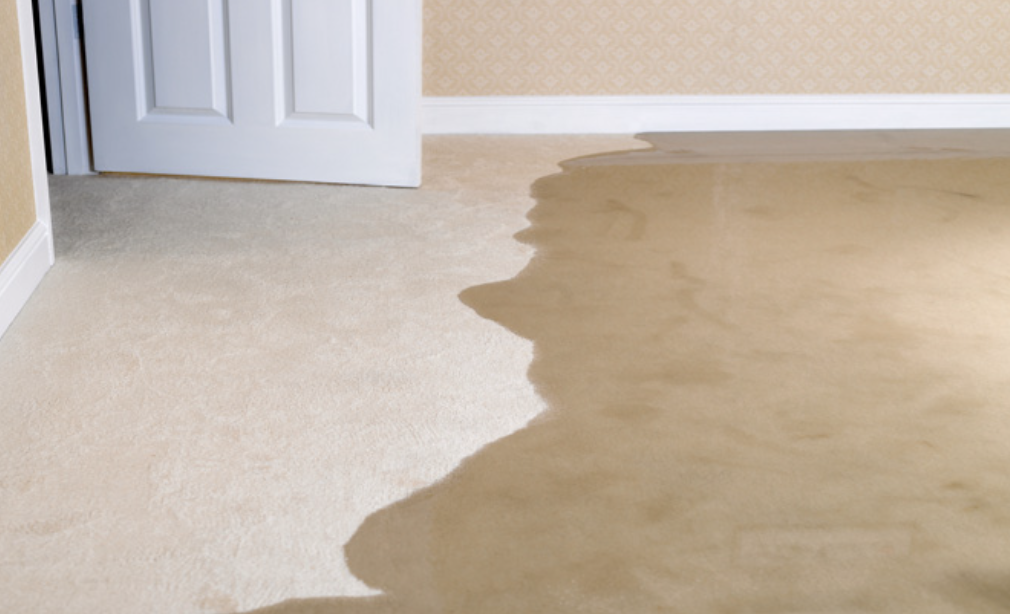
Water from a slow refrigerator supply line leak saturates the subfloor (typically plywood or OSB over floor joists), and in some cases drips directly through the subfloor into the basement below. This means the damage can manifest in two places simultaneously: surface damage to kitchen flooring (buckling, discoloration, soft spots) and visible water staining or dripping on the basement ceiling or along exposed floor joists below the kitchen.
Checking the basement ceiling below the kitchen is often the fastest way to confirm a slow refrigerator line leak in Wisconsin — water staining on the drywall or visible dripping from the floor joist cavity is diagnostic even before any kitchen floor damage is obvious.
Warning Signs of a Refrigerator Water Line Leak
- Floor buckling or soft spots near the refrigerator — Particularly along seams of hardwood, laminate, or LVP. In Wisconsin homes where kitchens often have hardwood or engineered wood, this is the most visible first sign.
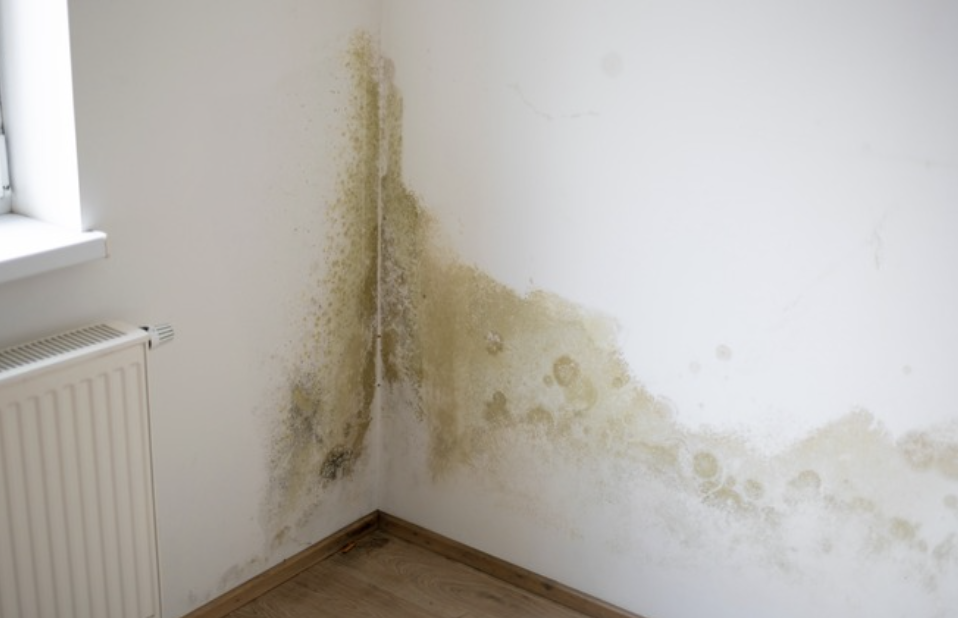
- Musty or earthy smell in the kitchen — Especially noticeable in the morning before the space airs out. Indicates mold has established itself in the subfloor or wall cavity near the appliance.
- Ice maker stops working — A sudden loss of ice production is often the only early sign of a supply line issue, particularly if the line kinked or froze and failed at a fitting.
- Water staining on basement ceiling below the kitchen — As described above, this is a valuable Wisconsin-specific diagnostic indicator.
- Dampness or discoloration inside adjacent base cabinets — Open the cabinets on either side of the refrigerator and inspect the interior base. Swelling, discoloration, or soft particle board at the base indicates water has reached that area.
- Mineral deposits or corrosion at the saddle valve or supply line connection — Visible when you pull the refrigerator away from the wall. Scale deposits around a fitting often indicate a slow, persistent drip at that joint.
What to Do When You Find the Leak
- Pull the refrigerator away from the wall. This exposes the full supply line and allows you to inspect the saddle valve, the line itself, and the area behind and beneath the appliance. Use cardboard or furniture sliders to protect the floor when moving the unit.
- Shut off the water supply to the line. Close the saddle valve by turning it clockwise until fully seated. If the valve is corroded or won't fully close, shut off the home's main water supply.
- Inspect the floor behind the appliance. Check for dampness, discoloration, soft spots, and any buckling of the floor covering at the edges. Press down on the floor to feel for softness or springiness in the subfloor.
- Check the basement below the kitchen. Look at the ceiling directly below where the refrigerator sits for any staining, sagging drywall, or dripping from the floor joist cavity.
- Call a water damage restoration company. Even if visible damage appears limited, a professional moisture assessment is necessary. Moisture meters and thermal imaging cameras reveal saturation in the subfloor and floor joist cavity that isn't detectable by sight or touch. 911 Restoration of SE Wisconsin provides water damage assessment and restoration throughout Waukesha, Milwaukee, Racine, and Kenosha counties, with same-day response available.
What a Refrigerator Water Line Leak Damages in a Wisconsin Home
Kitchen flooring is the most visible damage. Hardwood and engineered wood floors cup, buckle, and delaminate after sustained moisture exposure from below. LVP can be saved if moisture is extracted before it seeps under the planks, but if the subfloor beneath is saturated, the flooring needs to come up for the subfloor to dry properly.
The subfloor — plywood or OSB over floor joists — can develop wood rot, swelling, and structural weakness after prolonged moisture exposure. In severe cases, sections of subfloor require replacement before new flooring can be installed. In Wisconsin homes with older tongue-and-groove subfloor planking (common in pre-1960s construction), moisture penetration behaves differently and can be harder to dry without accessing from below.
Floor joists and the basement ceiling may also show moisture damage in scenarios where the leak dripped through the subfloor for an extended period. This structural timber moisture needs to be assessed and dried properly, and the ceiling drywall below may need replacement.
Mold is the most consequential secondary outcome. The hidden, enclosed space behind a refrigerator is exactly where mold thrives: confined, unventilated, with persistent moisture and organic material. Wisconsin's warm, humid summers accelerate mold growth significantly in these conditions. If the leak ran for more than 48 hours, mold should be assessed as part of the restoration scope, not treated as a separate issue.
Will Wisconsin Homeowner's Insurance Cover It?
Sudden and accidental water damage from a refrigerator supply line failure is generally covered under standard Wisconsin homeowner's policies — including the building damage to flooring, subfloor, and framing. Gradual leaks that developed over months are sometimes categorized differently depending on policy language and the insurer's characterization of the claim. For a complete overview of what Wisconsin policies typically cover, see our guide on homeowner's insurance coverage for water damage and mold in Wisconsin.
Professional documentation from your restoration company — a written assessment of the damage scope, the timeline, and the moisture readings — is your most important asset when filing a claim. This documentation is provided as a standard part of every 911 Restoration job.
Replacing the Refrigerator Water Line After a Leak
When reinstalling the refrigerator after restoration is complete, replace the supply line with braided stainless steel rather than reinstalling a plastic line. In Wisconsin, where lines may be subject to freeze/thaw stress if routed near exterior walls, the additional durability is worth the small cost difference. If the saddle valve also showed corrosion or incomplete closure, have a plumber replace it with a proper shut-off valve installed on a tee in the supply line — saddle valves are notorious for slow drips after years of use.
Frequently Asked Questions
How long can a slow refrigerator water line leak go undetected in a Wisconsin home?
Weeks to months, particularly in Wisconsin homes where the basement ceiling below the kitchen isn't regularly inspected. The surface floor damage often precedes any visible sign by a significant margin because the subfloor absorbs and holds moisture before the surface covering buckles. If your refrigerator has been in place for more than a year without moving it, inspecting the supply line connection and the floor behind the unit once a year is a reasonable precaution.
Can a refrigerator water line leak in Wisconsin cause basement flooding?
In severe cases involving a failed saddle valve or a supply line that completely disconnects at a fitting, yes — particularly if the flow goes undetected for an extended period. More commonly, a slow leak drips through the subfloor and produces localized staining in the basement rather than active flooding. But the moisture in the floor joist cavity still requires professional drying.
What's the most common refrigerator water line failure in Wisconsin homes?
Based on what we typically see in SE Wisconsin, the most common failures are: saddle valves that have developed a slow drip at the connection point after years of use; plastic supply lines that have cracked at the refrigerator fitting (often discovered after the refrigerator is moved for cleaning or renovation); and copper lines that have developed a kink-induced pinhole after being pushed back against the wall too aggressively.
How much does refrigerator water line leak damage restoration cost in Wisconsin?
Cost depends on how long the leak ran and how much flooring, subfloor, and potentially ceiling material is affected. A leak caught within 48 hours with limited affected area may require only professional drying. A leak that ran for weeks may require flooring replacement, subfloor repair, and mold remediation. See our guide on water damage restoration costs in Wisconsin for a detailed breakdown.
911 Restoration of SE Wisconsin — Refrigerator Leak Water Damage Response
A refrigerator water line leak that went unnoticed isn't a minor cleaning job — it's a subfloor moisture situation that requires professional assessment and drying equipment to resolve completely. 911 Restoration of SE Wisconsin provides water damage restoration throughout Waukesha, Milwaukee, Racine, and Kenosha counties. Contact us for a same-day moisture assessment — we'll map the full extent of the damage, explain what's involved in restoration, and handle your insurance documentation from start to finish.
Latest Posts



Contact Us
For Advice
Need help? Talk to an expert
(262) 294-6360