
9Jun
What to Do When a Pipe Freezes or Bursts in Winter
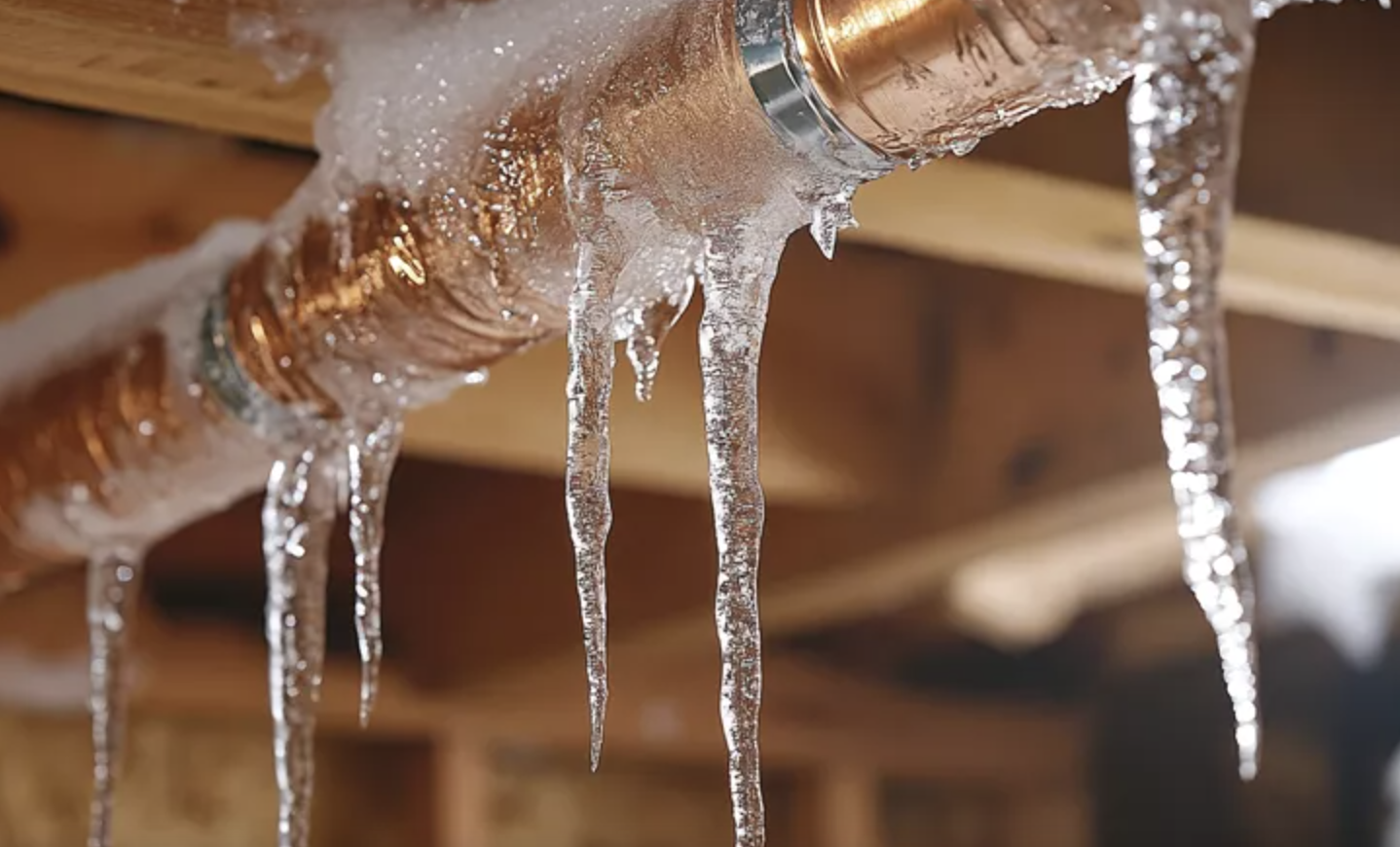
When a pipe freezes or bursts at home, shut off the main water supply immediately, then call a water damage restoration company right away - a burst pipe can release hundreds of gallons per hour, and water left standing in walls, floors, and insulation causes mold growth within 24 to 48 hours.
In Southeast Wisconsin, frozen and burst pipes are one of the most common - and most costly - winter emergencies homeowners face. With temperatures regularly dropping to -10 to -20°F across Racine County, Milwaukee, and Waukesha County, the risk isn't a matter of if it's a matter of when. Knowing what to do in the first 30 minutes can be the difference between a manageable restoration job and a full-scale structural repair.
Step 1: Shut Off the Main Water Supply - Right Now
Before anything else, find your main water shut-off valve and turn it off completely. In most Wisconsin homes, this is located in the basement near where the water line enters the foundation, or sometimes near the water heater or utility area. Turn the valve clockwise until it stops.
Once the main is off, turn on the cold-water faucets throughout the house to drain the remaining pressure from the lines. This limits how much water can continue to flow into the affected area.
If you don't know where your main shut-off valve is, find it now - before Wisconsin winter hits - and make sure every adult in the household knows where it is and how to use it.
Step 2: Don't Touch the Damaged Area
Once the water is off, resist the urge to start mopping or cleaning up. Here's why it matters:
- Document everything first. Take photos and video of all visible water, the pipe location, and any damage before you move or touch anything. This documentation is critical for your insurance claim.
- Electrical hazard. If water has reached outlets, electrical panels, appliances, or light fixtures, do not enter the area until power is confirmed off. Water and electricity are an emergency on top of an emergency.
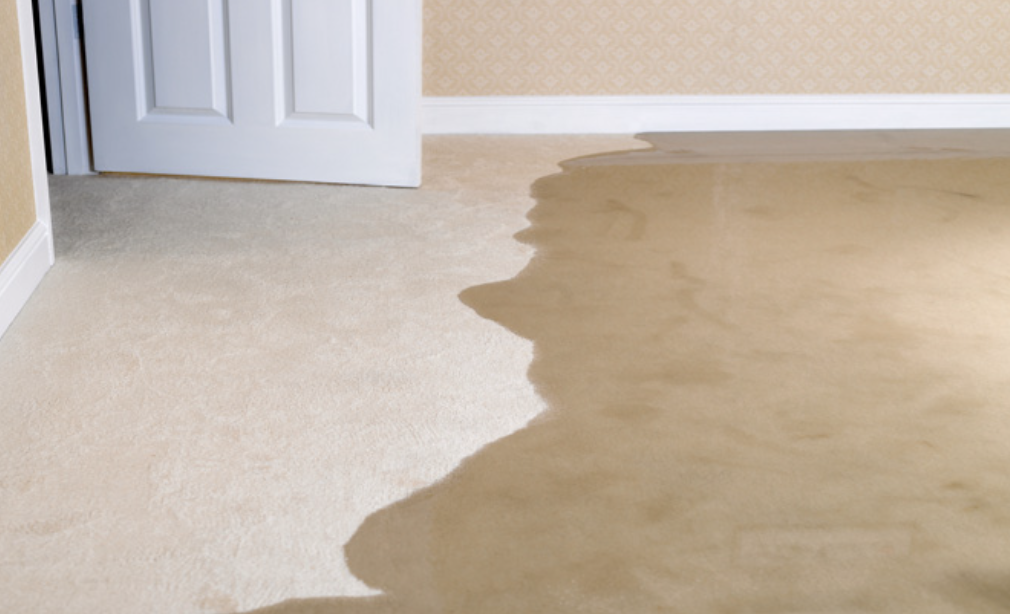
- Hidden water goes further than you think. Water from a burst pipe travels fast through wall cavities, under flooring, into insulation, and along structural framing. What you can see on the surface is rarely the full picture.
Step 3: Call a Restoration Company - Not Just a Plumber
A plumber fixes the pipe. A water damage restoration company fixes everything the water did after the pipe broke. These are two different problems that usually need to happen in parallel, not sequentially.
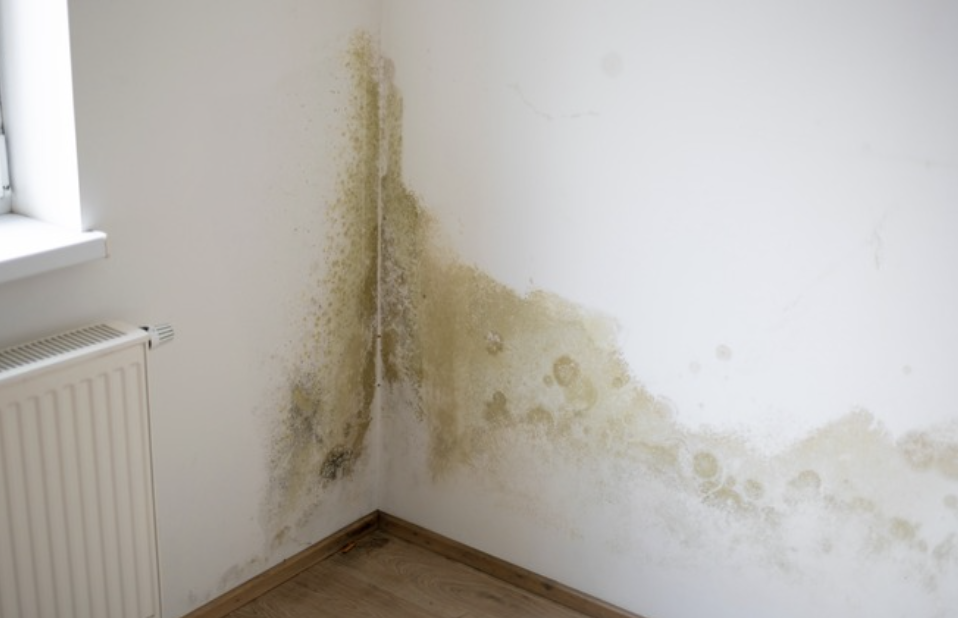
Professional restoration teams use industrial-grade extraction equipment, moisture meters, and structural drying systems to remove water from places a mop and fan will never reach. Without proper drying of wall cavities and subfloors, moisture stays trapped - and mold begins within 24 to 48 hours.
911 Restoration of Southeast Wisconsin provides 24/7 emergency response with a 45-minute response time across Milwaukee, Racine County, and Waukesha County. Call (262) 294-6360 any time - day or night, weekday or holiday.
What NOT to Do With a Frozen Pipe
If the pipe is frozen but hasn't burst yet, there's a small window to thaw it safely. A few things that seem logical but will make things much worse:
- Don't use an open flame, blowtorch, or propane heater. This is a house fire waiting to happen. Plastic pipes melt, wooden framing ignites, and the risk is not worth it under any circumstances.
- Don't crank your thermostat to maximum. Rapid temperature changes can stress pipes that are already at their limit. Steady, gradual warming is better.
- Don't ignore it and hope it thaws on its own. A frozen pipe that's left unmonitored will often burst later - sometimes hours later when you're asleep and can't respond quickly.
Safe thawing options: a hair dryer set to low heat directed at the frozen section, electric heating tape (if already installed), or warm towels wrapped around accessible pipes. Thaw from the faucet end working back toward the frozen section so steam doesn't get trapped.
How Burst Pipes Happen in SE Wisconsin Homes
Understanding the pattern helps you protect your home before a polar vortex arrives. The most vulnerable pipes in Wisconsin homes are:
- Exterior walls - pipes running through walls that face north or west with insufficient insulation
- Garages and crawl spaces - unheated or poorly insulated spaces where temperatures can match outdoor air
- Vacant properties - cottages, rental properties, and cabins where heat may be turned down too low during extended absences
- After a power outage - furnaces stop working and interior temperatures can drop rapidly during a prolonged outage in a Wisconsin winter
SE Wisconsin's freeze-thaw cycle adds another risk factor: pipes in exterior walls that have been marginally fine all winter can fail during a particularly severe cold snap in January or February, or during an unexpected late-season cold event in March or April.
Does Insurance Cover Burst Pipe Water Damage?
In most cases, yes - standard Wisconsin homeowners insurance covers sudden and accidental water damage from a burst pipe. The key word is "sudden." A pipe that burst due to the freeze is generally covered; damage from a slow leak that went unaddressed for weeks is generally not.
To protect your claim:
- Document damage with photos and video before any cleanup
- Call your insurer to open a claim as soon as possible
- Keep all receipts for emergency expenses including hotel stays
- Do not start major demolition or repairs before an adjuster has documented the damage - though you can and should begin extraction to prevent further damage
For more guidance on what Wisconsin homeowners insurance covers for water damage, see our insurance information page or speak directly with our team when you call.
Prevention: How to Protect Your Pipes Before It Gets Cold
The best outcome is no burst pipe at all. Before temperatures drop in Milwaukee, Waukesha, Racine, and the surrounding area, take these steps:
- Insulate exposed pipes in unheated spaces - foam pipe insulation is inexpensive and widely available
- Seal drafts in crawl spaces, around foundation openings, and along exterior walls where pipes run
- Keep heat at a minimum of 55°F even when away for extended periods - the cost of the heat is nothing compared to the cost of a burst pipe claim
- Let faucets drip during extreme cold snaps (below -10°F) - even a slow trickle keeps water moving and dramatically reduces freeze risk
- Know where your main shut-off valve is - and make sure every adult in the household does too
When You Need More Than a Plumber
Once the pipe is repaired and the water is off, the restoration work begins. Wet drywall, saturated insulation, soaked subfloors, and waterlogged framing don't dry on their own - and the window to prevent mold from developing closes fast in Wisconsin's cold, damp winter conditions.
911 Restoration of Southeast Wisconsin handles the full scope - water extraction, structural drying, moisture monitoring, and any necessary repairs - so you're not coordinating multiple contractors through an already stressful situation. We work directly with your insurance company to document the claim and get the restoration moving.
If a pipe has frozen or burst at your property in Milwaukee, Racine County, or Waukesha County, call us now at (262) 294-6360. We respond 24/7 with a 45-minute arrival window - because in a Wisconsin winter, waiting is not an option.
Latest Posts



Contact Us
For Advice
Need help? Talk to an expert
(262) 294-6360