
23Jul
Hardwood Floor Water Damage in Wisconsin: What Happens and How to Save Your Floors
Hardwood floor water damage is a race against the clock — and in Wisconsin, that clock starts the moment a pipe bursts during a cold snap, an ice dam forces melt water under your exterior walls, or spring flooding reaches the first floor of your home. Wood begins absorbing moisture within minutes, and once planks start to cup or buckle, the structural damage is difficult or impossible to reverse. The sooner water is extracted and professional drying begins, the better the odds of saving the floor instead of replacing it.
This guide covers how water affects hardwood floors specific to Wisconsin's climate, what causes these situations, and exactly what to do when it happens to you.
How Wisconsin's Climate Creates Unique Hardwood Floor Water Damage Risks
Southern California homeowners worry about appliance leaks and plumbing failures. Wisconsin homeowners face all of those same risks — plus a range of cold-weather and seasonal moisture events that don't exist in milder climates.
Frozen and burst pipes are the leading cause of hardwood floor water damage in SE Wisconsin. When temperatures drop sharply in Waukesha, Racine, or Kenosha County and pipes in exterior walls or unheated crawl spaces freeze and burst, the resulting release can flood an entire floor of hardwood in minutes. If you've experienced a pipe burst, our guide on what to do when a pipe freezes or bursts covers the immediate steps.
Ice dams are another Wisconsin-specific threat. When heat escapes through the roof and melts snow, only to have that water refreeze at the cold eaves, ice dams force water backward under shingles and into the attic. From there, it can find its way into wall cavities and eventually reach hardwood floors on the top floor or along exterior walls. Our guide on ice dam water damage in Wisconsin explains how this process unfolds and what to look for.
Spring snowmelt flooding is a third seasonal factor. As snowpack rapidly melts in March and April across SE Wisconsin, saturated ground can allow water to seep through foundation walls into basements — and while hardwood flooring is rare in basements, water that enters a basement can migrate to the first floor through wall framing and floor transitions in severe events. For more on this scenario, see our guide on spring flooding in southeast Wisconsin.
The Three Stages of Water Damage in Hardwood Floors
Stage 1 — Swelling and Discoloration (0–24 Hours)
In the first few hours after exposure, hardwood planks begin absorbing moisture at the surface and edges. You may notice slight swelling along plank edges, surface staining or darkening, and a soft feel underfoot in the wet area. This is the recovery window — professional extraction and drying at this stage gives the highest chance of saving the floor without replacement.
Stage 2 — Cupping (24–72 Hours)
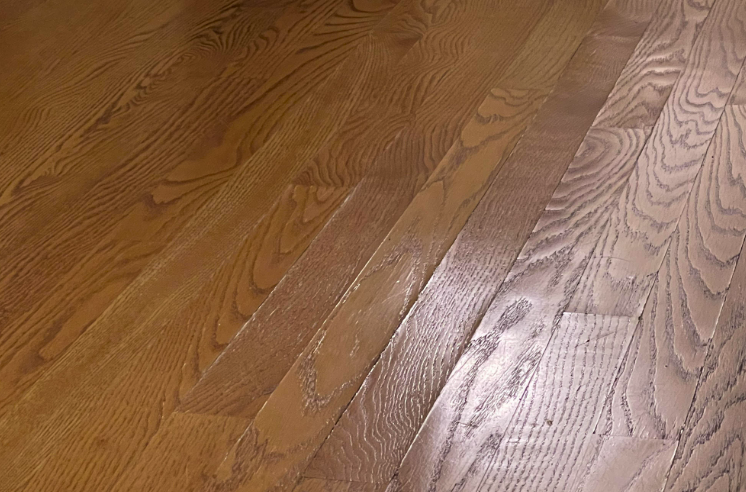
Cupping occurs when the bottom of the plank absorbs more moisture than the top, causing the edges to rise above the center. The floor takes on a washboard appearance. In Wisconsin's cold and damp seasonal conditions, cupping can accelerate quickly in poorly heated spaces or during periods of already-elevated indoor humidity. Solid hardwood may be recoverable at this stage with proper drying; engineered hardwood and laminate are more difficult to restore once cupping begins.
Stage 3 — Buckling and Separation (72+ Hours)
At this point, planks lift away from the subfloor, gaps open between boards, and adhesive bonds fail. Buckling is almost always a sign that replacement is necessary. The subfloor itself — typically plywood over a basement or crawl space in Wisconsin homes — may also show signs of saturation, rot, or mold, adding scope and cost to the restoration.
Wisconsin Homes and Hardwood Floor Vulnerabilities
The construction characteristics of homes throughout Waukesha, Milwaukee, Racine, and Kenosha counties create some specific water damage patterns worth understanding.
Many older SE Wisconsin homes were built with full basements, which means the first-floor hardwood sits directly over a basement or crawl space rather than a concrete slab. This creates both an advantage and a risk: moisture that penetrates the subfloor has somewhere to drain, which slightly slows surface damage — but it also means moisture can rise from below if the basement floods or the crawl space becomes saturated, creating damage from underneath the hardwood that isn't visible from above until significant saturation has already occurred.
Older homes in cities like Racine and Kenosha, some dating to the early 1900s, often have original tongue-and-groove hardwood that is thicker and more resilient than modern flooring, but sits over aged and potentially compromised subfloor materials that don't respond as well to the drying process.
What to Do Immediately When Hardwood Floors Get Wet
- Stop the water source. For a burst pipe, locate the main water shutoff and close it immediately. For ice dam intrusion, the source can't be stopped mid-event, but you can limit interior spread by blocking doorways with towels and moving furniture out of the affected area.
- Extract standing water immediately. A wet/dry vacuum, mop, or towels — use whatever is available. Every gallon of standing water removed manually is moisture that doesn't have to evaporate through the wood and subfloor.
- Move furniture and area rugs off the wet floor. Furniture legs left on wet hardwood accelerate cupping at that point and leave permanent staining. Rugs trap moisture and dramatically slow the drying process.
- Increase ventilation if outdoor conditions allow. Opening windows when outdoor humidity is lower than indoor humidity helps — but in Wisconsin winters, cold air is dry air, which actually benefits drying. In spring or summer, outdoor humidity may be too high to help.
- Call a restoration company immediately. Household fans are not capable of driving moisture out of a subfloor. Industrial air movers and desiccant dehumidifiers — the equipment used in professional water damage restoration — operate at a completely different level and are what actually determines whether your floors can be saved.
Can Water-Damaged Hardwood Floors Be Saved?
Sometimes — and the outcome depends heavily on timing and the source of the water. Floors caught within 24–48 hours where only cupping (not buckling) has occurred can often be dried, sanded, and refinished. Floors that have buckled, lifted from the subfloor, or developed mold beneath the surface almost always require replacement.
One important Wisconsin-specific factor: cold temperatures actually help in some burst-pipe scenarios. If water entered the home during a very cold spell and temperatures kept the space cold, the absorption process may have been slightly slower than in a warm-weather event. However, cold also means mold, which typically requires warmth to grow, may not be an immediate concern — though it will become one as the structure warms back up. Don't delay professional drying under the assumption that cold temperatures have neutralized the urgency.
What Does Hardwood Floor Water Damage Restoration Cost in Wisconsin?
Cost depends on the affected square footage, whether the subfloor also needs treatment, and how quickly the water was addressed. For a detailed breakdown relevant to our service area, see our guide on water damage restoration costs in Wisconsin. As a general principle, early intervention — even if it requires professional equipment — consistently costs less than replacement.
Will Wisconsin Homeowner's Insurance Cover Hardwood Floor Water Damage?
Most standard homeowner's policies cover water damage that is sudden and accidental. A burst pipe during a Wisconsin winter is a classic covered event. Ice dam damage is more nuanced — some policies cover the interior water damage resulting from ice dams while excluding the ice dam itself as a roofing maintenance issue. Spring flooding from ground saturation and seepage through foundation walls is typically excluded under standard policies (requiring a separate flood policy). For a detailed look at Wisconsin coverage specifics, our guide on homeowner's insurance and water damage in Wisconsin breaks down what's typically covered and what isn't.
Frequently Asked Questions
Can cupped hardwood floors flatten back out on their own in Wisconsin?
Sometimes, particularly with solid hardwood that wasn't severely saturated. Once properly dried, some planks will flatten as moisture content equalizes. However, waiting to see if this happens without professional drying increases the risk of permanent damage and mold growth. A professional drying protocol gets the floor to the proper moisture content faster and more reliably than passive drying.
How long does it take to dry hardwood floors after a pipe burst in Wisconsin?
With professional drying equipment, structural drying typically takes 3 to 5 days for moderate damage. In cold conditions with lower indoor temperatures, the process may take slightly longer. Daily moisture readings track the drying curve to confirm when structural dryness has been reached.
Can Wisconsin's humidity affect hardwood floors even without a water event?
Yes. SE Wisconsin's summer humidity — particularly near Lake Michigan in areas like Racine and Kenosha — can cause hardwood to absorb ambient moisture and expand seasonally. Homes without proper HVAC humidity control or vapor barriers may see minor seasonal movement in hardwood flooring. This is different from water damage but worth understanding when diagnosing a flooring concern.
Is there mold risk under hardwood floors after a Wisconsin pipe burst?
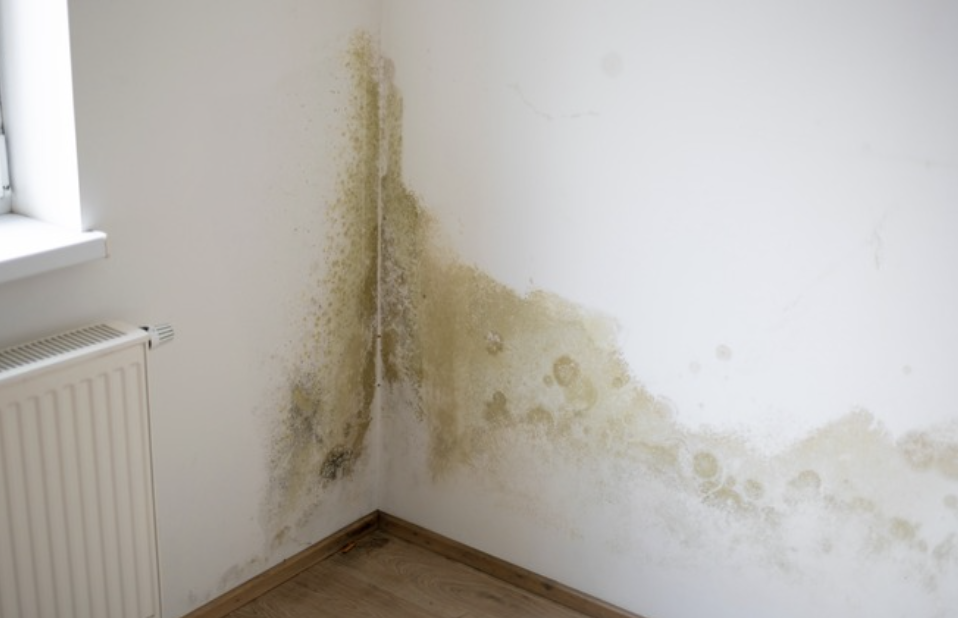
Absolutely. Mold can begin developing within 24 to 48 hours in the right conditions. Even in cold weather, once a space is reheated, any residual moisture in the subfloor creates mold conditions quickly. Our guide on mold after water damage covers what to expect and how remediation works.
Call 911 Restoration of SE Wisconsin for Emergency Hardwood Floor Water Damage
Whether a pipe burst overnight or an ice dam sent water down your interior walls, the window for saving your hardwood floors is measured in hours — not days. 911 Restoration of SE Wisconsin provides 24/7 emergency water damage restoration throughout Waukesha, Milwaukee, Racine, and Kenosha counties. Contact us now for an immediate response — we'll assess the moisture, deploy drying equipment, and handle your insurance documentation from day one.
Latest Posts



Contact Us
For Advice
Need help? Talk to an expert
(262) 294-6360