
2Jul
Spring Flooding in Southeast Wisconsin: Why Basements Flood Every Year
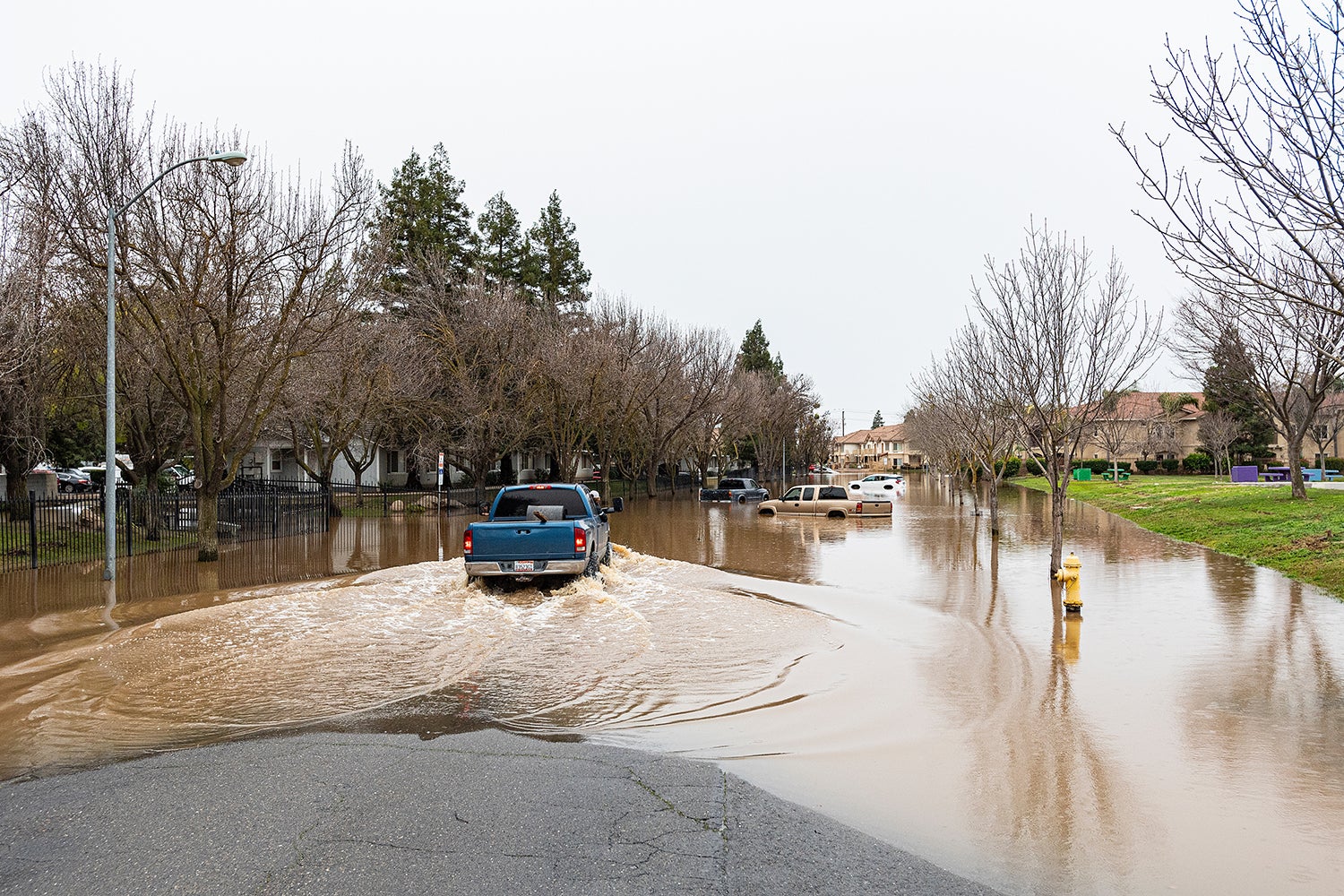
Spring basement flooding in southeastern Wisconsin is driven by a predictable combination of rapid snowmelt saturating frozen ground that cannot absorb water, spring rainstorms overwhelming storm drains and sump pumps that are already at capacity, and a rising water table that pushes groundwater through foundation cracks and floor drains — and the critical thing most SE Wisconsin homeowners don't realize until it's too late is that standard Wisconsin homeowners insurance does not cover this type of groundwater intrusion without a separately purchased water backup or sump pump overflow endorsement.
March, April, and May bring a specific type of basement flooding to Milwaukee, Waukesha, Racine, and Kenosha counties that is different from the summer storm flooding those same areas experience in July and August. Spring flooding in SE Wisconsin is driven not by a single heavy rain event but by accumulated conditions — a winter's worth of snowpack, frozen ground that can't accept it, and a municipal storm system that is simultaneously dealing with the same conditions across the entire metro area. Understanding what causes spring flooding, what it does to your home, and what your insurance actually covers is what separates homeowners who are prepared from those who are caught off guard every March.
Why Spring Is the Peak Season for Basement Flooding in SE Wisconsin
SE Wisconsin's spring flooding pattern is the result of several conditions that converge between late February and early May:
The Snowmelt Problem
Milwaukee County averages over 47 inches of snowfall per season. Waukesha County and inland areas often exceed that. By late February, this snowpack has accumulated over months — a significant volume of water stored in frozen form across the entire watershed. When temperatures rise in March, this stored water begins melting rapidly. The rate of melt during a warm March week in SE Wisconsin can deliver the equivalent of several inches of rainfall across the region in a matter of days.
Normally, soil absorbs this water. But in early spring, the ground throughout SE Wisconsin is still frozen to depth — often 12 to 24 inches down during cold winters, sometimes deeper. Frozen soil has nearly zero permeability. All the meltwater that falls on this frozen ground runs across the surface seeking low points rather than soaking in. Those low points are driveways, yard grade depressions, window wells, and the ground immediately surrounding home foundations.
The Saturated Ground Problem
As the frozen layer thaws from the top down — typically over two to four weeks in SE Wisconsin's spring transition — the upper soil layer becomes saturated before the deeper layer has thawed enough to transmit water downward. This creates a zone of saturated, waterlogged soil around every foundation in the region. As this saturated zone builds, the water table rises in low-lying areas, and hydrostatic pressure against basement walls and floor slabs increases.
This is the mechanism that causes basement flooding in homes that have never flooded from summer storms: the water isn't coming from above, it's coming from the sides and below as saturated soil presses groundwater through every available entry point — foundation wall cracks, floor-to-wall joints, floor drain lines, and window well drains.
The Storm Drain Overload Problem
The Milwaukee Metropolitan Sewerage District (MMSD) operates one of the largest water reclamation systems in the country. But even MMSD's combined sewer system — which includes the Deep Tunnel project specifically designed to handle combined sewer overflows — has limits. When a significant rain event arrives in April while snowmelt is simultaneously running across frozen ground into storm drains, the system's capacity is tested. Storm sewer surcharging — when storm drains are flowing so full that water backs up into the system rather than draining forward — is a documented phenomenon during SE Wisconsin's spring events. This can contribute to basement water entry through floor drains and sump systems that connect to the storm sewer.
The Sump Pump Failure Window
Many Milwaukee and Waukesha County homeowners have sump pumps specifically because their basements have historically taken on water during spring conditions. But sump pumps fail under the exact conditions that spring flooding creates: continuous high-volume operation over days, power outages during spring storm events, and discharge lines that freeze if the season turns cold again after initial warming. A sump pump that has never been tested at full-season capacity — and has not been serviced or inspected since last spring — is a significant risk during a heavy snowmelt year. When the pump fails, water that would otherwise have been directed away from the foundation accumulates in the sump pit and overflows into the basement.
How Spring Flooding Differs From Summer Storm Flooding
This distinction matters for insurance purposes, for restoration response, and for preventive measures:
- Summer storm flooding in SE Wisconsin is typically driven by a single high-intensity rain event that overwhelms a sump pump or overflows a window well drain in a matter of hours. The event is acute — it happens fast, peaks, and stops. The flooding is primarily from surface water and rainwater intrusion.
- Spring flooding is a sustained, multi-day or multi-week condition. Water entry may begin slowly and increase progressively over days as the frost line thaws and the water table rises. The basement may show no water on Monday and have three inches on Thursday — not because of a single storm event but because conditions have been building for weeks. This makes it more difficult to pinpoint a single cause for insurance purposes, which is precisely why the endorsement question matters so much.
Where Spring Floodwater Enters SE Wisconsin Basements
Understanding the entry points helps with both prevention and with accurate documentation for an insurance claim:
- Foundation wall cracks: Poured concrete foundations develop hairline cracks over time from settlement, freeze-thaw cycling, and the expansive clay soils common in Waukesha and Milwaukee County. Cracks that are dry all summer and are not apparent from the interior become active entry points when exterior soil saturation creates sustained hydrostatic pressure.
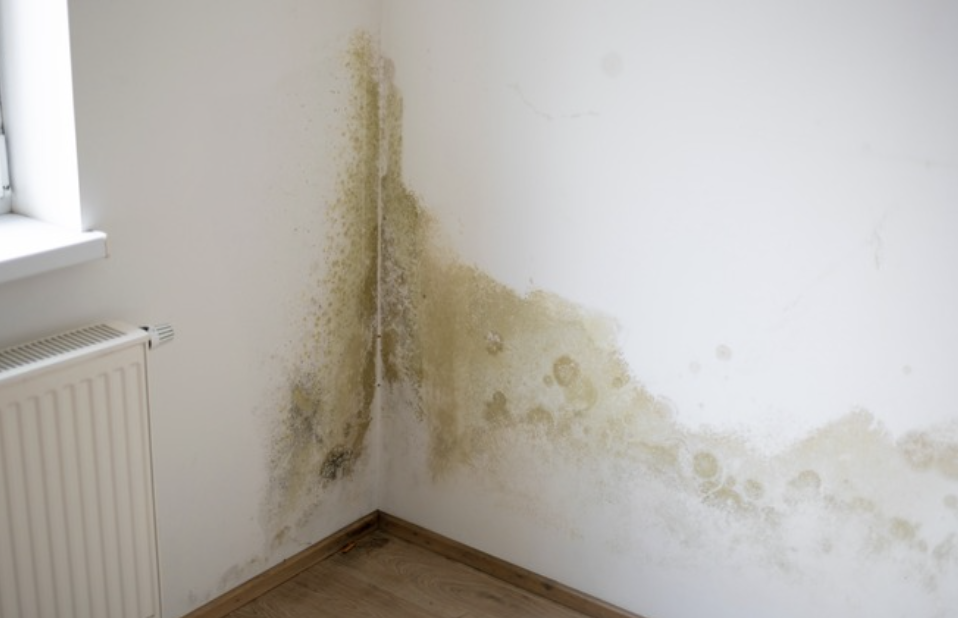
- Wall-to-floor joint (cove joint): The joint where the basement wall meets the floor slab is rarely a perfect seal and is a primary entry point for groundwater under hydrostatic pressure. Water wicking through this joint typically appears as a line of moisture along the base of all four walls.
- Floor drains: Floor drains in older basements in Milwaukee and Racine connect directly to the sanitary or combined sewer system. When that system is surcharging during a storm event, water can back up through floor drains — which is distinct from groundwater intrusion and is classified as a sewer backup, which has its own coverage implications.
- Window wells: Basement windows at or near grade level collect meltwater and rainwater in their wells. When the window well drain is clogged or cannot keep up with inflow, water accumulates in the well and eventually seeps through the window frame.
- Sump pit overflow: A failed, overwhelmed, or power-out sump pump allows water that is continuously entering the pit to overflow into the basement.
- Porous concrete block foundations: Many Milwaukee and Racine area homes built before 1960 have concrete block foundations rather than poured concrete. Concrete block is significantly more porous than poured concrete and can allow water to seep through the blocks themselves rather than just through cracks.
What to Do When Your Basement Starts Flooding in Spring
- Confirm electrical safety first. If water is rising in your basement and is near electrical outlets, the electrical panel, or appliances, do not enter the basement until power is confirmed off at the main breaker. Wet basements and live electrical circuits are a fatality risk.
- Check your sump pump. If the pump is running but the water level is still rising, the inflow rate is exceeding pump capacity — a temporary supplemental pump can be rented or borrowed. If the pump isn't running at all, check power first, then listen for a seized motor (the pump may need replacement). A backup pump with battery backup is the most reliable solution for future events.
- Identify and temporarily address active entry points if safely possible. Hydraulic cement can plug active cracks as a temporary measure while water damage response is underway. This is not a permanent repair but can slow inflow while you wait for professional response.
- Move valuable items from the basement floor immediately. Documents, electronics, photographs, seasonal storage, and mechanical equipment that is resting on the floor should be elevated or removed as soon as entry is confirmed safe.
- Document everything before extraction begins. Photograph the water level, all visible entry points, all affected areas, and all damaged contents before any pumping or cleanup starts. This documentation is required for your insurance claim.
- Call a water damage restoration company. Household wet-dry vacuums are not appropriate for basement flooding — the volume of water, the category of contamination (spring floodwater that has contacted soil is Category 2 or 3 depending on conditions), and the hidden moisture in wall assemblies and flooring all require professional extraction equipment and moisture detection tools.
- Call your insurance company to open a claim. Even if you're unsure about coverage, open the claim immediately. Coverage determinations require an adjuster assessment — and conditions that support a coverage argument are best preserved before cleanup begins.
What Does Wisconsin Homeowners Insurance Cover for Spring Flooding?
This is the most important section in this guide for SE Wisconsin homeowners, because the answer is frequently a surprise.
Standard Wisconsin HO-3 Policy: What Is and Isn't Covered
A standard Wisconsin homeowners policy covers sudden and accidental water damage originating from inside the home — a burst pipe, appliance failure, or water heater leak. It explicitly excludes:
- Flooding: water entering from outside the structure, including groundwater and surface runoff
- Seepage: water that enters through foundation walls or the floor over a period of time
- Sump pump overflow or failure (unless a sump pump endorsement is purchased)
- Water backing up through sewers or drains (unless a backup endorsement is purchased)
Spring basement flooding in SE Wisconsin — driven by groundwater, snowmelt runoff, and water table rise — falls squarely in the excluded categories under a standard policy. Most homeowners who experience their first significant spring flood discover this exclusion at claim time.
The Water Backup and Sump Pump Overflow Endorsement
This endorsement — available from most Wisconsin homeowners insurers for $30 to $150 per year — is what actually covers the spring flooding that SE Wisconsin homeowners experience most often. It covers:
- Water that backs up through sewers or floor drains
- Water that overflows from or results from a sump pump failure
- Coverage limits typically range from $5,000 to $25,000 depending on what was purchased
If you do not have this endorsement, add it today. It cannot be purchased after the fact — it must be in place before the flooding event to apply. Given that SE Wisconsin's spring flooding is a predictable, recurring seasonal event, this is the single most important insurance action any homeowner in Milwaukee, Waukesha, Racine, or Kenosha County can take before winter ends.
NFIP Flood Insurance
For homes in or near FEMA-designated Special Flood Hazard Areas — including properties near the Milwaukee River, Menomonee River, Root River, and other SE Wisconsin waterways — an NFIP flood policy is required by mortgage lenders and covers the type of structural flooding that standard policies exclude. Note that NFIP policies have a 30-day waiting period before coverage takes effect and cannot be purchased reactively when flooding is anticipated.
How Spring Basement Flooding Is Different From a Typical Water Damage Call
Spring floodwater in SE Wisconsin basements is almost never Category 1 (clean water). Water that has traveled across frozen ground, through soil, through foundation cracks, and through floor drain lines carries biological and chemical contamination that changes both the remediation protocol and the material removal requirements:
- Standing water that has been in contact with soil or floor drain backups is Category 2 (gray water) minimum, and may be Category 3 (black water) if significant sewer system surcharging was involved
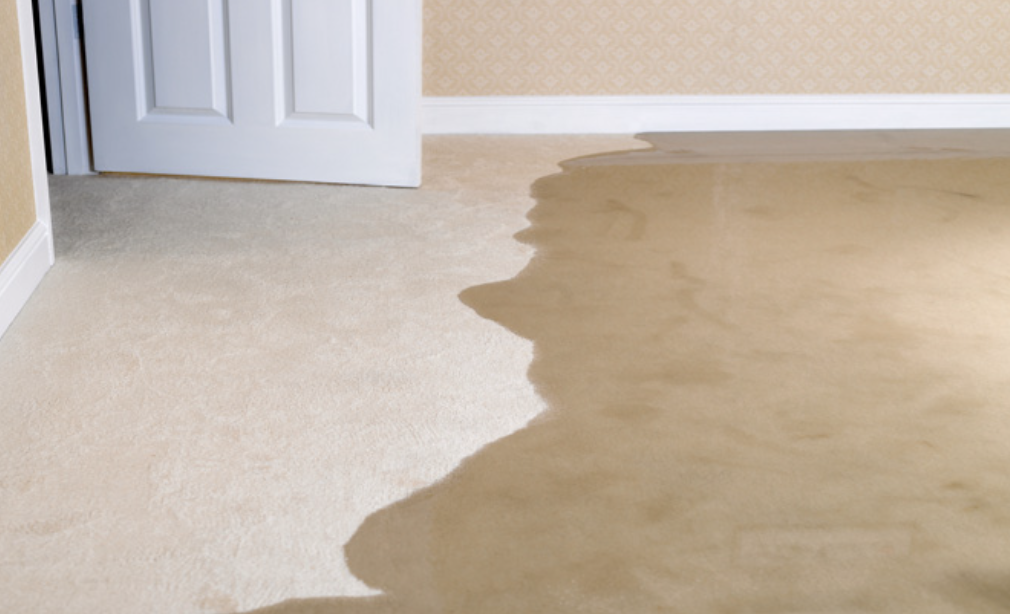
- Carpet and pad that absorbed Category 2 or 3 water must be removed, not dried in place
- Drywall in contact with contaminated water requires removal to a defined cut line
- Structural drying must proceed to confirmed moisture meter readings throughout all affected assemblies — walls, flooring, and structural framing — not just until the surface feels dry
For more on water damage categories and what they mean for your home, see our existing guides on What Causes Basement Flooding and Sump Pump Failure and What to Do. For insurance coverage details, see our guide: Does Wisconsin Homeowners Insurance Cover Basement Flooding?
Reducing Your Spring Flooding Risk: What Actually Works
Structural interventions that meaningfully reduce spring flooding risk for SE Wisconsin homes:
- Install a battery backup sump pump system. A battery backup activates automatically when the primary pump fails or loses power — the two most common failure modes during spring storm events. A high-quality battery backup system costs $300 to $700 installed and is the single most effective flood risk reduction for homes that already have a sump.
- Extend downspouts at least six feet from the foundation. Downspouts that discharge at or near the foundation add to the soil saturation immediately adjacent to basement walls. Extensions are inexpensive and significantly reduce the water load against the foundation perimeter during snowmelt and spring rain.
- Clear window well drains before spring. Window well drains clog with leaves and debris over the fall and winter. Clearing them in late February or early March — before the first snowmelt event — ensures they can handle meltwater volume.
- Check and maintain your sump pump in February. Test the pump by pouring water into the pit to confirm it activates. Inspect the float switch and discharge line. A pump that was adequate last spring may be reaching the end of its operational life — spring is not the time to discover this.
- Interior waterproofing with a drain tile system. For homes with chronic spring flooding problems, an interior perimeter drain tile system that channels groundwater to the sump before it enters the living space is the most reliable long-term solution. This is a significant investment ($5,000 to $15,000 depending on basement size) but eliminates the annual damage cycle for homes that experience it every year.
911 Restoration of SE Wisconsin: Spring Flooding Response Across Milwaukee, Waukesha, Racine, and Kenosha Counties
When spring flooding hits your SE Wisconsin basement, the response in the first hours determines how much damage is permanent and how much is recoverable. 911 Restoration of SE Wisconsin provides 24/7 emergency water damage response with industrial extraction equipment, professional moisture assessment, structural drying, and complete documentation for insurance claims.
We serve Milwaukee, Waukesha, Racine, Kenosha, Brookfield, Wauwatosa, Menomonee Falls, New Berlin, Franklin, Oak Creek, Cudahy, South Milwaukee, Muskego, Pewaukee, West Allis, Greenfield, Greendale, Mukwonago, Sussex, and communities throughout southeastern Wisconsin.
Call us immediately when spring flooding begins — available around the clock, including through overnight and weekend flooding events. Learn more about our water damage restoration services and our 24/7 emergency response capabilities across SE Wisconsin.
Latest Posts



Contact Us
For Advice
Need help? Talk to an expert
(262) 294-6360