

23Jul
Water Heater Leaking in Your Wisconsin Basement? Here's Who to Call and What to Do
When a water heater leaks in a Wisconsin home, call a plumber to fix the unit and a water damage restoration company to handle what the water did to your basement — both, on the same day. The plumber's job ends at the appliance. The restoration company's job is everything the water touched after it left the tank: the concrete floor, the finished walls, the carpeting or flooring, the adjacent framing, and your insurance documentation. These are two separate problems requiring two different specialists.
Here's what SE Wisconsin homeowners need to know about responding to a water heater leak, from shutoff to fully dry.
Wisconsin Basements and Water Heater Failures: Why It's a Bigger Deal Here
In Southern California, water heaters typically sit in garages or dedicated closets adjacent to living space. In Wisconsin, they almost always live in the basement — often in a utility corner alongside the furnace, water softener, and sump pump. This placement has an important consequence: when a Wisconsin water heater fails, the water it releases goes directly onto the basement floor and begins affecting everything in that space.
For homes with unfinished basements, a water heater leak is serious but structurally manageable — concrete floors don't absorb water the same way wood does, and the priority is extraction, drying the wall framing, and preventing mold. For homes with finished basements — drywall, carpeting, drop ceilings, LVP flooring — a tank failure that releases 40 to 80 gallons at once can saturate significant portions of the finished space and cause damage that requires substantial reconstruction.
Types of Water Heater Leaks and Their Urgency
Not all water heater leaks are the same. Where the water is coming from determines how quickly you need to act:
- Pressure relief valve drip — A steady drip from the T&P valve on the side of the tank signals excess pressure. Not an immediate emergency, but the valve or the temperature setting needs attention from a plumber promptly.
- Fitting or connection leak at the top — Water seeping from the cold water inlet or hot water outlet connections. Usually fixable by tightening or replacing the fitting without replacing the tank.
- Leak at the base of the tank — This almost always means the tank's interior has corroded through. Internal corrosion isn't fixable — the tank needs replacement, and it may have already been slowly releasing water for some time before the pooling was visible.
- Full tank failure — A 40–80 gallon tank that releases suddenly. In a finished Wisconsin basement, this is a significant water damage event requiring immediate professional response.
What to Do Right Now
1. Shut Off the Cold Water Supply to the Heater
There's a shutoff valve on the cold water supply line entering the top of the tank — typically a ball valve or gate valve. Turn it clockwise to stop water flow. If the valve is inaccessible, corroded, or won't budge, shut off the main water supply to the house.
2. Turn Off the Gas or Power
For gas water heaters (the most common type in Wisconsin), turn the thermostat dial to "pilot" or locate and close the gas shutoff valve on the supply line behind the unit. For electric water heaters, flip the breaker in your electrical panel labeled for the water heater. Never leave a leaking water heater energized.
3. Assess the Basement
How much water is on the floor? Has it reached finished areas — walls, flooring, the base of any interior doors? Check whether the sump pump pit is clear and functioning. If there's significant standing water, watch your footing and avoid any electrical panel or outlets near the water level.
4. Call a Plumber
The plumber handles the unit: diagnose, repair, or replace. In SE Wisconsin, many licensed plumbers can complete a water heater replacement same-day or next-day. If it's a gas unit, a licensed plumber should handle all gas connections.
5. Call a Water Damage Restoration Company
Don't wait on this call. While the plumber handles the hardware, the restoration company handles the structural damage — water extraction, drying the concrete and any affected framing, treating drywall, mold prevention, and insurance documentation. 911 Restoration of SE Wisconsin provides 24/7 emergency water damage response throughout Waukesha, Milwaukee, Racine, and Kenosha counties. Same-day response is available for emergency calls.
What a Water Heater Leak Does to a Wisconsin Basement
The damage profile depends heavily on whether the basement is finished or unfinished.
Unfinished basements with exposed concrete block walls, bare concrete floors, and open framing are relatively straightforward to dry — concrete doesn't absorb water the same way wood or drywall does, and the open framing allows air movers to work efficiently. The primary concerns are moisture wicking into the base of concrete block walls and the potential for mold to establish in any wood framing that stays wet beyond 48 hours.
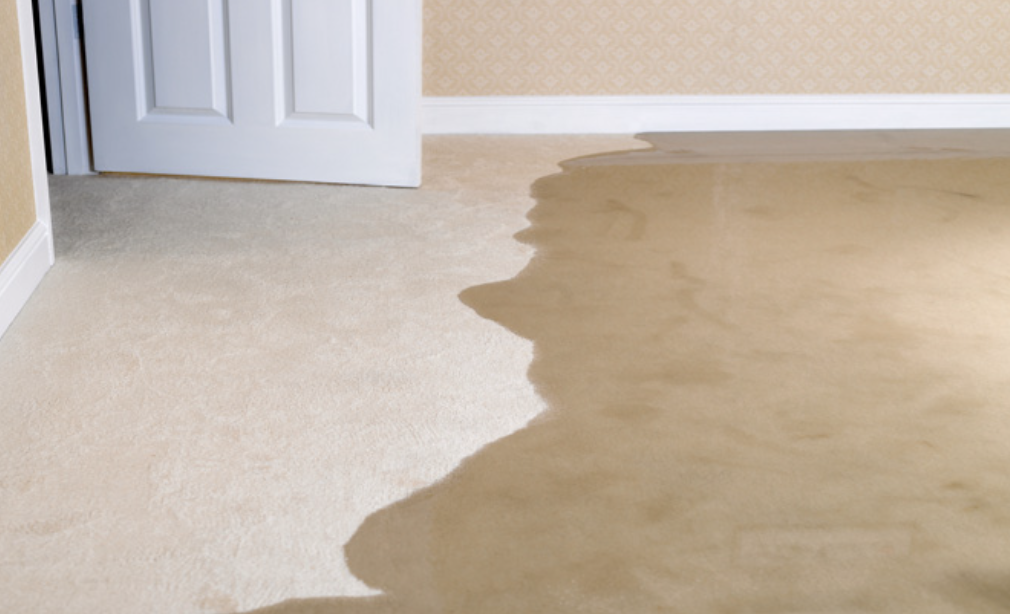
Finished basements are significantly more complex. Drywall that contacts standing water begins to deteriorate and develop mold within 24–48 hours. Fiberglass batt insulation that gets wet never fully recovers — it mats down, loses R-value, and becomes a persistent mold source. Carpeting in a finished basement that experiences a water heater failure is almost always a loss — the pad beneath it traps moisture and is extremely difficult to dry effectively. Luxury vinyl plank can sometimes be saved if water is extracted before it seeps under the planks, but the subfloor beneath it needs to be fully dried.
In Wisconsin basements that also have wood-framed interior partition walls — a home office, storage room, or bedroom in the basement — the framing at floor level may need to be assessed for moisture penetration even when the drywall surface appears dry.
Does Wisconsin Homeowner's Insurance Cover a Water Heater Leak?
Standard homeowner's insurance in Wisconsin typically covers sudden and accidental water damage — meaning the building damage from a water heater failure is generally covered, though the appliance itself usually is not. A tank that corroded slowly over years and finally failed may be characterized differently than one that ruptured unexpectedly, so documentation of the event from your restoration company matters significantly.
One important nuance in Wisconsin: if the water heater leak is contributing to basement flooding that also involves surface water, sump pump backup, or foundation seepage, insurance coverage may become more complicated. Those causes of basement water intrusion are often excluded under standard policies. Our guide on insurance coverage for basement flooding in Wisconsin explains the distinction between covered water damage and excluded flood events. For broader coverage on what Wisconsin policies typically include, see also does homeowner's insurance cover water damage and mold in Wisconsin.
How Much Does It Cost to Restore a Basement After a Water Heater Leak?
Cost depends on the scope: square footage affected, finished versus unfinished, whether drywall or flooring needs replacement, and how quickly the extraction and drying began. For a detailed breakdown of typical restoration costs in SE Wisconsin, our guide on water damage restoration costs in Wisconsin covers the relevant ranges. The consistent principle: prompt professional response keeps scope and cost significantly lower than delayed action.
Frequently Asked Questions
My water heater leaked in the basement. Is my finished basement ruined?
Not necessarily — but the outcome depends on how quickly water is extracted and professional drying begins. Carpeting and drywall in prolonged contact with standing water are typically losses. LVP, tile, and some finished surfaces can be saved if moisture is addressed promptly. The subfloor and framing can usually be dried and preserved with proper equipment even in finished basement scenarios.
Can a water heater leak cause a mold problem in my Wisconsin basement?
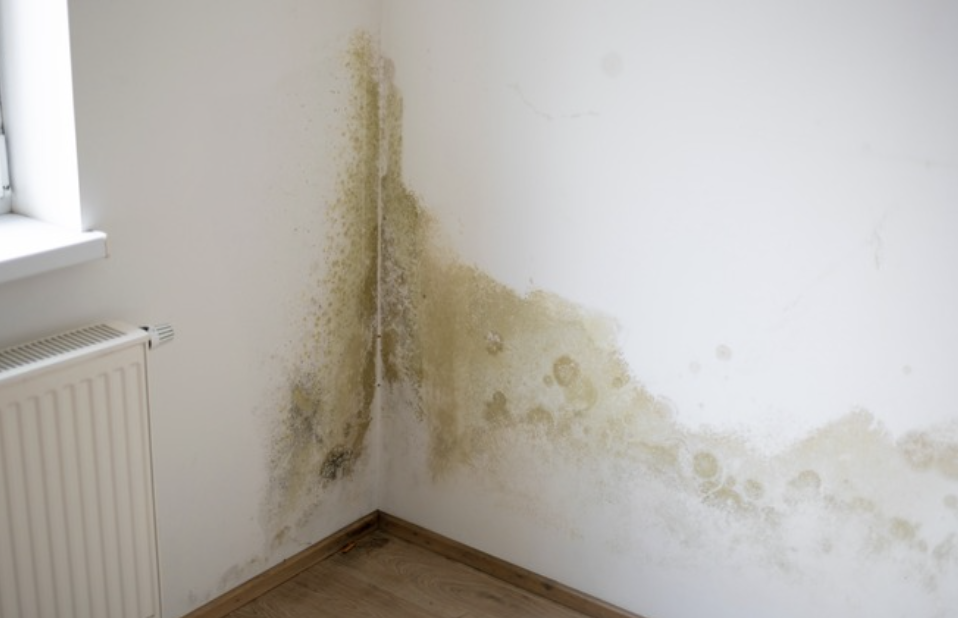
Yes, and this is one of the most common post-event complications we see. Basements in Wisconsin are already prone to elevated humidity, and a water heater leak that saturates drywall or insulation creates the exact conditions mold needs to establish quickly. Mold assessment should be part of the restoration process for any water heater leak involving finished materials.
How old is too old for a Wisconsin water heater?
Most tank-style water heaters have a useful life of 8–12 years. Wisconsin water tends toward mineral hardness in many areas (Waukesha and Milwaukee counties in particular), which accelerates scale buildup and internal corrosion in tank-style heaters. If your water heater is approaching or past 10 years, proactive replacement is worth considering — a planned replacement costs far less than an emergency replacement plus basement restoration.
Should I call my insurance company before or after calling a restoration company?
Call the restoration company first to stop the damage from progressing, then notify your insurance company. Your insurer will want documentation of the damage and the response — which your restoration company provides. Starting drying equipment immediately doesn't jeopardize your claim; delaying it usually increases the overall cost and claim complexity.
911 Restoration of SE Wisconsin — 24/7 Water Heater Leak Response
A water heater failure in a Wisconsin basement is a two-call situation: one for the plumber, one for restoration. 911 Restoration of SE Wisconsin handles the building side — extraction, structural drying, insurance documentation, and mold prevention — so the plumber can focus on the unit. We serve Waukesha, Milwaukee, Racine, and Kenosha counties with 24/7 emergency water damage restoration. Contact us now for an immediate response.
Latest Posts



Contact Us
For Advice
Need help? Talk to an expert
(262) 294-6360