
24Sep
Basement Waterproofing vs. Water Damage Restoration in Wisconsin
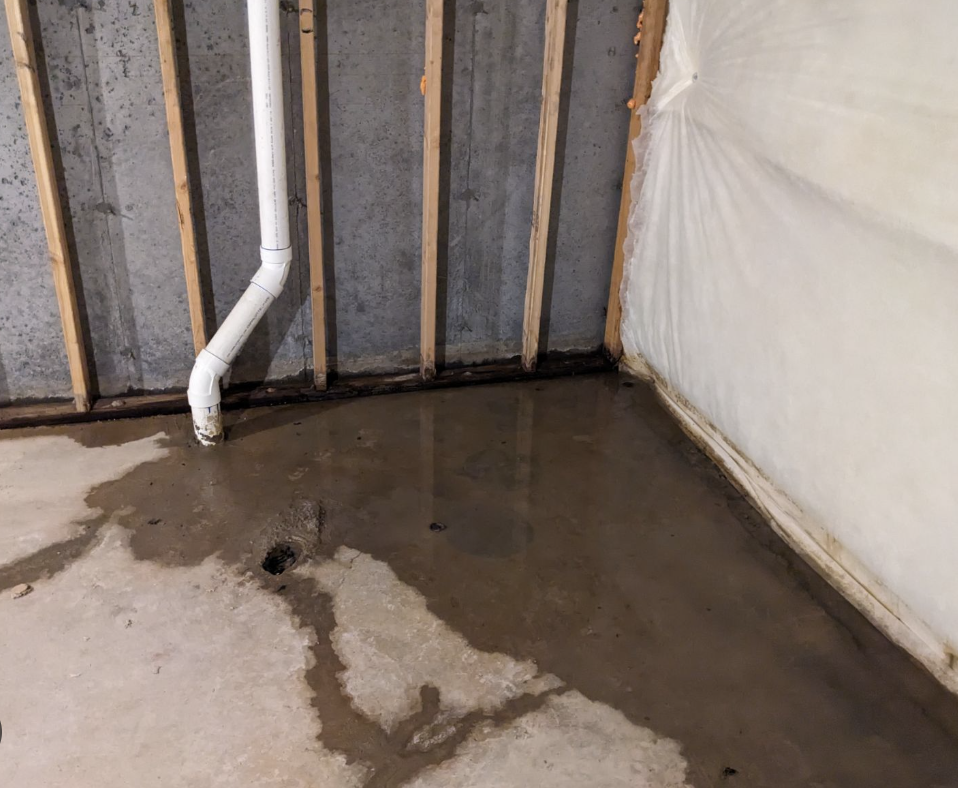
Basement waterproofing and water damage restoration are different services addressing different problems—and confusing the two is a common and costly mistake Wisconsin homeowners make after a basement flooding event. Water damage restoration addresses active damage that has already occurred: extracting standing water, drying structural materials, and remediating mold. Waterproofing addresses the conditions that allowed water to enter in the first place: sealing the foundation, installing drainage systems, and redirecting water away from the structure. You often need both, in that order, but starting with waterproofing when restoration is the immediate need leads to continued damage; starting with restoration when the underlying water entry issue isn’t addressed leads to recurrence.
What Water Damage Restoration Is (and Isn’t)
Water damage restoration is the emergency and remediation response to an active water damage event. It encompasses:
- Water extraction: Removing standing water from the affected space using pumps and wet vacuums
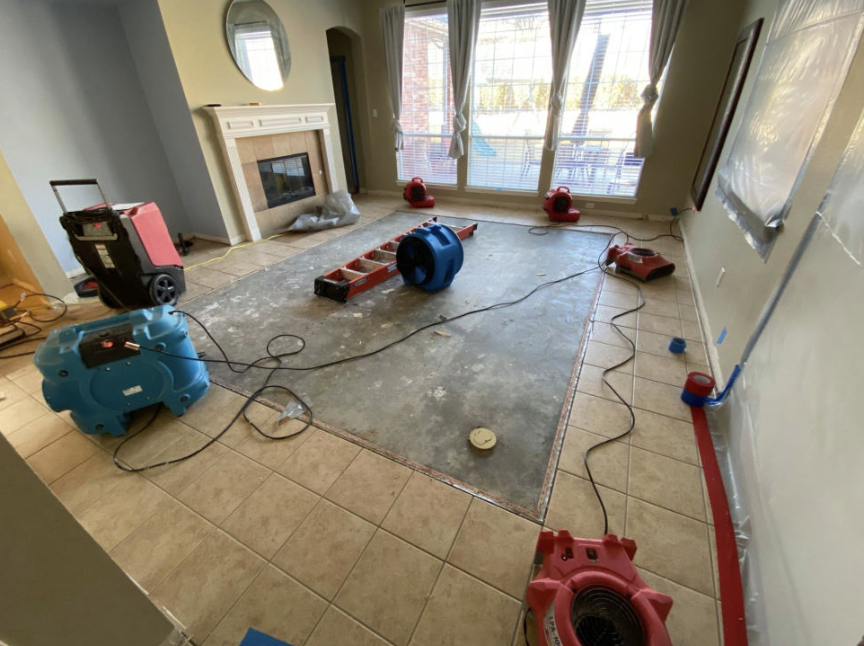
- Structural drying: Running commercial dehumidifiers and air movers to dry building materials (drywall, framing, subfloor, insulation) to pre-loss moisture levels
- Content removal and restoration: Moving and protecting personal property, furniture, and contents affected by water
- Mold remediation: If moisture was present long enough for mold to establish, removing mold-contaminated materials and treating affected surfaces
- Reconstruction: Replacing drywall, flooring, and other materials that were damaged beyond salvage
Water damage restoration does not fix why water entered—it addresses what the water did after it got in. A restoration company that extracts water from your flooded Wisconsin basement and dries the structure has done their job correctly even if water enters again the next time it rains, because preventing future water entry is a separate scope of work.
Restoration companies that also offer waterproofing services will often recommend both—which is often appropriate, but the two scopes should be clearly identified and priced separately so you can make informed decisions about sequencing and whether to use the same contractor for both.
What Basement Waterproofing Is (and Isn’t)
Basement waterproofing is a permanent improvement to how your home manages water at and below grade. It is a preventive and long-term measure, not an emergency response. Basement waterproofing encompasses:
Interior drainage systems. A channel installed at the perimeter of the basement floor, beneath the slab, that collects water infiltrating through the walls and floor and directs it to a sump pit for removal. Interior drainage doesn’t stop water from entering; it manages water that enters by redirecting it before it can accumulate.
Sump pump systems. The pump that removes water collected by interior drainage systems. Sump pump sizing, battery backup, and alarm systems are all components of a complete sump system. Wisconsin homes with known water infiltration issues that rely on a sump pump without a battery backup are at high risk during power outages—exactly when storms are causing water problems.
Exterior waterproofing. Excavating around the foundation to apply waterproofing membrane directly to the exterior of the foundation wall. This is the most effective long-term waterproofing approach but the most expensive and disruptive. It is appropriate when the foundation has significant deterioration or when interior drainage alone has proven insufficient.
Foundation crack repair and injection. Polyurethane or epoxy injection into foundation cracks seals specific water entry points. This is appropriate for isolated crack infiltration but does not address hydrostatic pressure through an otherwise solid foundation.
Window well covers and drainage. Window wells that collect water and allow it to enter basement windows are often addressable with covers and improved drainage without more significant waterproofing measures.
Grading and exterior drainage corrections. Ground that slopes toward the foundation or gutters that discharge water against the foundation wall creates hydrostatic pressure. Regrading and redirecting downspout discharge is often the most cost-effective first step before more significant waterproofing investment.
The Difference in Contractor Types
In Wisconsin, water damage restoration and basement waterproofing are performed by different types of contractors with different credentials, licensing, and equipment.
Water damage restoration companies hold IICRC certifications in water damage restoration and structural drying. They carry commercial drying equipment (air movers, dehumidifiers, moisture meters) and typically operate 24/7 for emergency response. They work extensively with insurance companies and are experienced with IICRC S500-compliant documentation. They may or may not offer waterproofing services.
Waterproofing contractors specialize in basement water management systems. They install drainage systems, sump pumps, and exterior membranes, and often offer long-term warranties on their work. Reputable Wisconsin waterproofing companies hold Wisconsin contractor credentials and often belong to industry organizations like the Basement Health Association. They are not emergency responders—they schedule and perform planned work, not overnight emergency jobs.
Be cautious of any single contractor who presents waterproofing as the urgent, immediate response after a flooding event without first addressing the existing water damage. Interior drainage installation in a wet basement with damaged drywall and potential mold is putting the cart before the horse—the restoration must happen before permanent systems are installed in the space.
The Right Sequence After a Wisconsin Basement Flood
When water damage and ongoing water entry occur together—as they do in a basement flooding event—the correct sequence is:
- Stop the active water entry if possible (close a cracked window well, redirect a downspout that’s discharging against the foundation, check the sump pump).
- Call a restoration company for emergency water extraction and structural drying. This addresses the damage that has occurred and prevents mold.
- Allow drying to complete and receive clearance that the structure is back to pre-loss moisture levels (typically 3–7 days).
- Assess the source of water entry through investigation (crack inspection, drainage grading assessment, sump system review).
- Get waterproofing quotes and proceed with the appropriate long-term solution based on the entry source identified.
Attempting to install an interior drainage system while the basement is still wet, before drying is complete, creates mold risk in the disturbed materials and makes clearance testing more difficult.
Frequently Asked Questions
I just had my basement waterproofed—why did it flood again?
Interior drainage systems manage water that enters; they do not stop water entry. If the sump pump failed (power outage, mechanical failure, overwhelmed capacity), water that the drainage system collected had nowhere to go and accumulated. Battery backup systems prevent power-outage failures; pump capacity must be matched to the volume of water the system collects during heavy rain events. If you recently had waterproofing done and the system failed, the waterproofing contractor should assess whether the system was properly sized for your infiltration rate.
Does Wisconsin homeowners insurance cover basement waterproofing?
No. Basement waterproofing is a home improvement—a preventive measure—and is not covered by homeowners insurance. Insurance covers sudden and accidental damage (the flooding event itself and the restoration of that damage) but not the cost of preventing future flooding. Some Wisconsin homeowners have had success negotiating with insurers on the cost of a sump pump replacement when the failure of the existing pump caused the covered flood event, but this is not standard coverage and is claim-specific.
How much does basement waterproofing cost in Wisconsin?
Interior drainage system installation for a full perimeter in a typical Wisconsin basement (1,000–1,500 square feet of basement) ranges from $5,000–$15,000 depending on the contractor, scope, and complexity of the installation. Sump pump installation alone ranges from $500–$2,500 depending on pump type and battery backup inclusion. Exterior waterproofing, which requires excavation, ranges from $10,000–$30,000 or more. Crack injection for isolated cracks ranges from $400–$1,500 per crack. Get at least three quotes from Wisconsin-licensed waterproofing contractors, and verify their warranty terms and transferability.
Can I get both restoration and waterproofing from the same company?
Some Wisconsin restoration companies offer both services; others refer out to waterproofing specialists they trust. Using one company for both can simplify coordination and billing, particularly for insurance purposes. The key requirement is that the two scopes of work are clearly separated in the contract and estimate, and that restoration is completed and cleared before waterproofing installation begins in the affected space.
Water in Your Wisconsin Basement? Start With Restoration, Then Protect Against Recurrence
911 Restoration of SE Wisconsin provides 24/7 emergency water extraction and structural drying for Wisconsin basement flooding events—the necessary first step before any waterproofing solution makes sense. We document our work to IICRC standards for insurance purposes and can help you understand the entry source so you can make an informed decision about long-term prevention. Visit our water damage restoration page for immediate assistance.
Latest Posts

Contact Us
For Advice
Need help? Talk to an expert
(262) 294-6360