
24Sep
Mold in Wisconsin Rental Properties: What Landlords Have to Do
Wisconsin landlords are legally required to maintain rental properties in a habitable condition, and mold resulting from a landlord’s failure to address a structural or moisture problem falls under that obligation. Wisconsin Statute §704.07 governs landlord maintenance duties, and the Wisconsin Administrative Code ATCP 134 sets consumer protection standards that apply to rental agreements. When a tenant reports mold, landlords who fail to investigate and remediate in a reasonable timeframe face liability for rent abatement, damages, and—in cases of willful neglect—additional statutory penalties. Understanding your obligations as a Wisconsin landlord before a mold complaint arrives is far less expensive than learning them after one.
Wisconsin Law and Mold in Rentals: The Legal Framework
Wisconsin does not have a mold-specific statute that sets exposure limits or mandatory remediation timelines the way some other states do. Instead, mold liability for Wisconsin landlords flows from the general habitability framework in Wis. Stat. §704.07 and from Wisconsin’s Warranty of Habitability.
Under Wisconsin law, landlords must:
- Keep the premises in a reasonable state of repair
- Maintain structural components (roof, walls, windows, foundation) in a condition that protects against weather and moisture intrusion
- Maintain plumbing, heating, and ventilation systems in working order
- Comply with applicable building and housing codes that materially affect health and safety
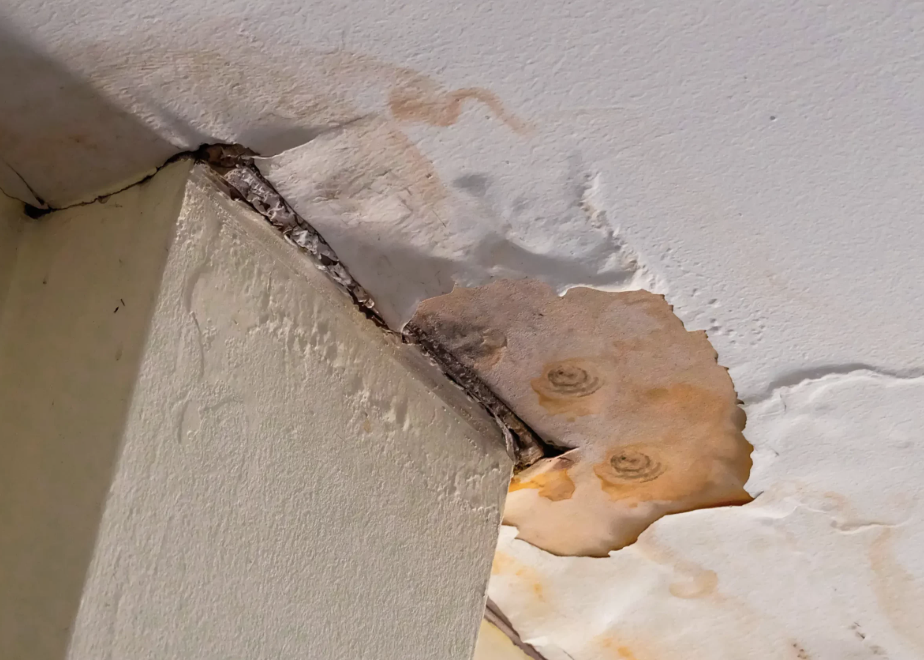
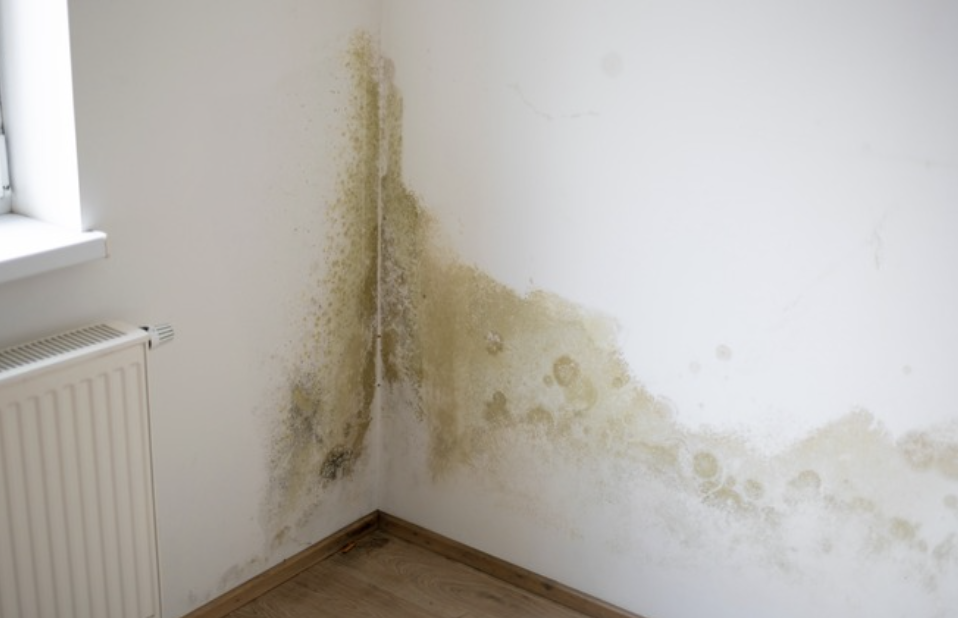
Mold becomes a landlord liability when it results from the landlord’s failure to meet one of these obligations—a leaking roof that was reported and not repaired, a plumbing failure the landlord knew about, or chronic ventilation problems in a bathroom without a functioning exhaust fan. The key legal question in any mold dispute is causation: is the mold present because of a condition the landlord was responsible for maintaining?
When mold results from a tenant’s behavior—refusing ventilation, allowing extreme condensation from lifestyle factors, or failing to report a water leak they knew about—the legal responsibility shifts. Wisconsin courts have found landlords not liable for mold caused by tenant misuse or failure to report. The practical challenge is that most real-world mold situations involve a combination of building conditions and occupant behaviors, and the causation analysis is fact-specific.
What a Tenant Mold Complaint Requires From You
When a tenant reports mold in a Wisconsin rental unit, the landlord’s response should be both prompt and documented. Here is what best practice and legal exposure require:
Acknowledge and respond in writing. Wisconsin ATCP 134 requires landlords to document and respond to tenant maintenance requests. A written response to a mold complaint, even if only to acknowledge receipt and state that an inspection will be scheduled, creates a record of responsiveness that protects you if the situation later becomes a legal dispute.
Inspect promptly. A reasonable response time for a health-related complaint like mold is typically within a few days, not weeks. Delays in responding to mold complaints are a primary basis for tenant claims of constructive eviction and rent withholding under Wisconsin law.
Identify and address the moisture source. Mold remediation without addressing the underlying moisture source will result in recurrence. Any professional assessment of mold in a rental unit should identify the moisture source (roof leak, plumbing failure, condensation, etc.) as part of the inspection.
Remediate to a professional standard. For significant mold in a rental unit, professional IICRC-certified mold remediation is the appropriate standard. Surface cleaning with bleach alone does not address mold growing in drywall, framing, or behind wall assemblies. If the mold is extensive (OSHA guidance uses 10 square feet as a rough threshold for professional involvement), professional remediation is expected, not optional.
Provide notice of entry and work schedule. Wisconsin requires landlords to provide reasonable notice (at least 12 hours absent emergency) before entering a rental unit for non-emergency maintenance. Mold remediation, while urgent, typically allows for proper notice.
Rent Withholding and Rent Abatement in Wisconsin Mold Cases
Wisconsin law allows tenants to withhold rent in certain circumstances when a landlord fails to repair conditions that affect habitability. Under Wis. Stat. §704.07(4), if a landlord fails to make a repair that affects habitability after receiving written notice from the tenant, the tenant may be able to seek rent abatement (reduction) or, in extreme cases, terminate the lease.
For rent withholding to be lawful under Wisconsin law, specific procedural requirements must be met. Tenants cannot simply stop paying rent when mold is discovered—they must provide written notice to the landlord of the condition and give a reasonable opportunity for repair. Landlords who receive such notice and fail to act within a reasonable timeframe are at greatest risk.
The practical risk for landlords is not just formal legal action but small claims court filings, security deposit disputes, and negative reviews that affect future rentals. Wisconsin small claims courts handle these disputes regularly, and landlords who cannot demonstrate a documented response to a mold complaint—inspection, remediation, and follow-up—are at a significant disadvantage.
Mold in Wisconsin Rental Properties: Common Scenarios and Landlord Obligations
Basement unit with chronic humidity and mold on walls. If the basement unit lacks adequate ventilation and the moisture comes from ground infiltration the landlord failed to address, this is typically a landlord responsibility. If the basement has functioning vapor barriers and ventilation and the tenant’s lifestyle (hanging wet laundry, cooking without ventilation) created the conditions, the analysis is more complex—document both the building conditions and tenant behaviors.
Bathroom mold from a non-functioning exhaust fan. A landlord who failed to maintain or repair a bathroom exhaust fan, making ventilation impossible, bears substantial responsibility for resulting mold. This is a straightforward maintenance obligation under §704.07.
Mold after a roof leak or plumbing failure the landlord repaired. A landlord who repaired a roof or plumbing failure but did not ensure the affected materials were properly dried may be liable for resulting mold even if the original damage was addressed. Professional drying with documented clearance is important precisely for this reason—it establishes that the landlord’s response was complete.
Mold discovered at lease-end during security deposit inspection. Wisconsin security deposit disputes involving mold are common and fact-specific. If the landlord can document that the unit was in good condition at move-in (move-in inspection report with photos) and that the mold is a result of tenant behavior, a deduction may be supportable. Without documentation, it is very difficult to establish that the mold was caused by the tenant rather than pre-existing.
Frequently Asked Questions
Do Wisconsin landlords have to disclose mold to prospective tenants?
Wisconsin does not have a specific mold disclosure statute, but general consumer protection principles under ATCP 134 require landlords to disclose known material defects that affect habitability. Known mold conditions should be disclosed, and failure to disclose known mold has been a basis for tenants to claim misrepresentation. After remediation is complete and clearance testing confirms the mold has been successfully addressed, disclosure of a prior mold history is a fact-specific question best discussed with a Wisconsin attorney.
What should a Wisconsin landlord do if a tenant refuses entry for mold remediation?
A tenant’s refusal to permit necessary repairs is itself a violation of Wisconsin tenancy obligations. Document the refusal in writing, provide written notice of the need for access and the health/habitability basis for the remediation, and follow Wisconsin’s entry procedures. If the tenant continues to refuse access for a documented health and habitability repair, consult with a Wisconsin landlord-tenant attorney regarding your options, which may include lease enforcement proceedings.
Can a Wisconsin tenant break their lease because of mold?
Under Wisconsin law, a tenant may be able to terminate a lease if a landlord fails to maintain habitable conditions and does not remedy the deficiency after receiving written notice. Mold that affects habitability and that the landlord fails to address after notice is a potential basis for lease termination. This is a legal determination, not one that tenants or landlords should make unilaterally—both parties should seek legal advice if this situation arises.
How long does Wisconsin give landlords to respond to a maintenance request?
Wisconsin law uses a reasonableness standard rather than a fixed number of days for most repairs. For habitability-affecting conditions, the expected response time is shorter than for minor cosmetic issues. As a practical matter, responding to a mold complaint within 48–72 hours with an inspection schedule, and completing remediation within a few weeks for a professional-scope job, reflects a reasonable response that protects the landlord’s legal position. Extended delays without communication are the primary source of legal exposure.
Mold in Your Wisconsin Rental Property? 911 Restoration Can Help
911 Restoration of SE Wisconsin provides professional mold inspection and IICRC-certified remediation for Wisconsin rental properties—with documentation appropriate for insurance claims, tenant disputes, and habitability compliance. We can respond quickly to protect your legal position and your tenants’ health. Visit our mold removal page for more information or to request an assessment.
Latest Posts

Contact Us
For Advice
Need help? Talk to an expert
(262) 294-6360