
24Sep
Dehumidification After a Flood: How Long Does Structural Drying Take?
Structural drying after a flood in a Wisconsin home takes between 3 and 5 days under normal conditions using professional equipment—but that range extends significantly when the flooding was severe, building materials are dense, the structure has poor airflow, or Wisconsin’s cold or humid seasonal conditions interfere with evaporation. The 3-to-5-day figure assumes commercial-grade air movers and dehumidifiers running continuously, daily moisture monitoring, and a building that was properly prepared for drying. What drying does not take is a single day with consumer fans, or as long as it might seem based on surfaces that “feel dry” but are still elevated internally.
What Structural Drying Actually Is
Structural drying is the process of removing moisture from building materials—drywall, subfloor, framing, insulation—after water intrusion. It is distinct from water extraction (removing standing water with pumps and wet vacuums, which must happen first) and from mold remediation (which becomes necessary if drying fails or takes too long).
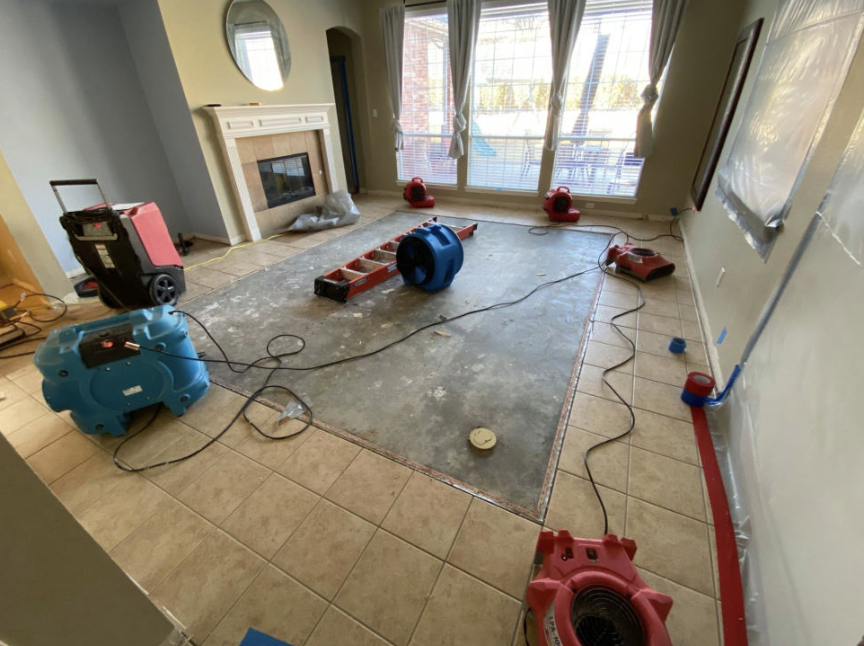
Structural drying works through a combination of evaporation and dehumidification. Air movers (high-velocity fans) accelerate evaporation by moving moisture from building materials into the air. Dehumidifiers remove that moisture from the air before it can re-condense on other surfaces. The two types of equipment must be balanced and sized correctly for the space—too many air movers without sufficient dehumidification capacity simply redistributes moisture without removing it from the structure.
Professional restoration companies use psychrometric calculations (the science of air moisture content) to determine how many air movers and dehumidifiers are needed for a given space and track daily whether drying is progressing at the expected rate. This is why IICRC-certified structural drying is fundamentally different from running household fans—it’s a monitored, science-based process.
Why Wisconsin Conditions Affect Drying Time
Wisconsin’s climate creates specific challenges for structural drying that differ from warmer, drier regions:
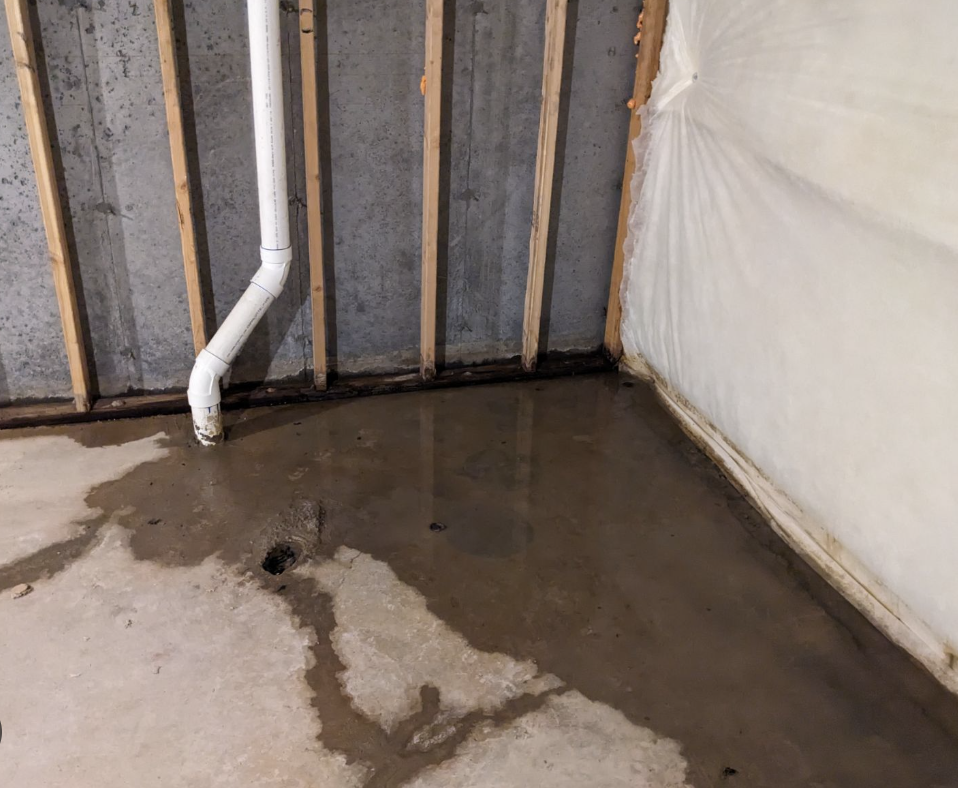
Basement flooding in Wisconsin homes. A large proportion of Wisconsin homes have basements, and basement flooding after heavy rainfall, snowmelt, or sump pump failure is among the most common water damage scenarios in the state. Basements have lower ambient temperatures, poor natural airflow, and often concrete or masonry construction that retains moisture longer than above-grade wood-frame assemblies. Basement drying typically takes 5–7 days rather than 3–5.
Cold-weather flooding. Wisconsin winters mean that water damage events often occur when outdoor temperatures are below freezing. Cold air holds less moisture than warm air, which reduces the dehumidifier’s ability to pull moisture from the air at standard settings. In very cold basements (below 40°F), standard refrigerant dehumidifiers function poorly or not at all; desiccant dehumidifiers, which operate effectively at low temperatures, may be required. This adds to cost and complexity.
Spring snowmelt flooding. March and April water damage events in Wisconsin often involve snowmelt infiltration combined with saturated soil, which means water intrusion can continue while drying is underway. Continuous intrusion makes structural drying impossible until the source is sealed—a critical point that affects both timeline and sequencing of work.
High ambient humidity in summer. Wisconsin summers bring high humidity that increases the volume of moisture the dehumidification system must remove. Restoration companies account for this through equipment scaling, but homeowners should understand that the same flood event in July takes longer to dry than the same event in March.
What Affects Drying Time in Your Specific Wisconsin Home
Beyond climate, several home-specific factors affect how long structural drying will take:
Building materials. Hardwood floors, dense concrete slabs, brick, and thick plaster dry slower than standard drywall and engineered flooring. Older Wisconsin homes with plaster walls and original hardwood floors typically require longer drying cycles than newer construction.
Insulation presence and type. Wall cavities with fiberglass batt insulation that got wet complicate drying significantly. Fiberglass insulation holds water and prevents air from moving through the wall cavity. When insulation is saturated, the wall often needs to be opened (flood cuts) to allow air movement. Spray foam insulation creates a different problem—it can trap moisture behind it, invisible to surface readings.
Subfloor assembly. Hardwood flooring over a subfloor over a joist system is a multi-layer assembly, each layer with its own moisture content that must be tracked independently. Drying to the correct moisture level in the top layer while the subfloor remains elevated is a common failure mode with inadequate monitoring.
Extent of saturation. A water heater that leaked for an hour versus a sump pump that failed while you were on a two-week vacation creates very different saturation levels. Deep saturation of framing and subfloor requires longer drying cycles regardless of equipment.
How Professional Drying Is Monitored
IICRC standards require daily moisture monitoring during structural drying. A restoration technician measures moisture content in affected materials at specific reference points each day and records the readings in a drying log. The log shows the trajectory of drying—whether moisture is declining at the expected rate, whether any areas are lagging, and when materials reach dry standard.
“Dry standard” is not zero moisture. Wood and building materials always contain some moisture; dry standard is the normal moisture content for unaffected materials in the same structure, measured at the start of the job. A drying job is complete when affected materials return to dry standard—not when surfaces feel dry.
You should receive a copy of the drying log at the end of the job. This document is important for insurance purposes and for verifying that drying was completed properly. If a restoration company does not provide drying logs, they are not following IICRC standards.
What Happens If Drying Takes Too Long or Fails
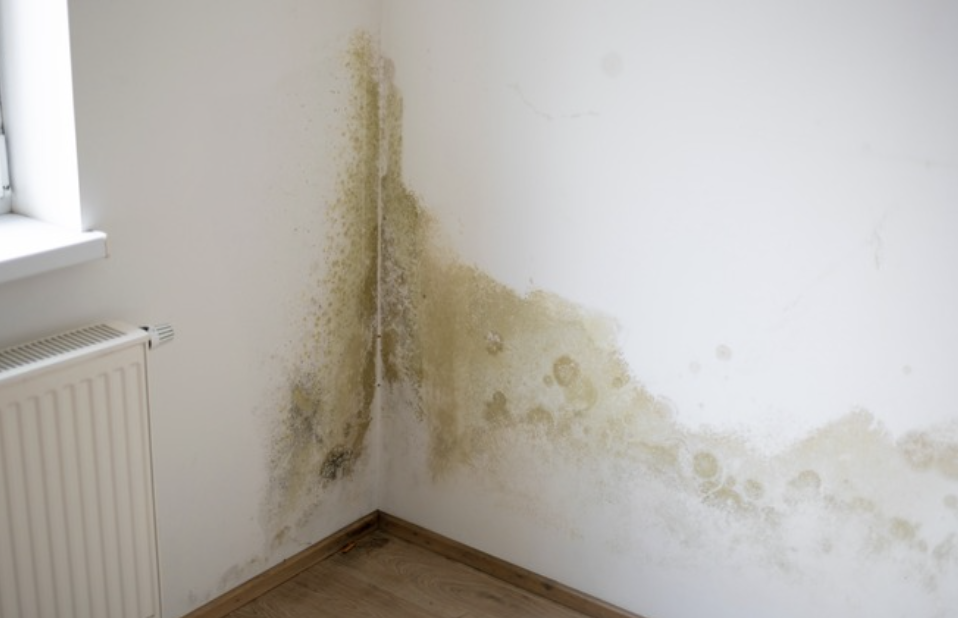
Mold can begin to colonize wet building materials within 24–48 hours under favorable conditions. In Wisconsin homes, the most vulnerable materials are the paper facing on drywall, wood framing that stayed wet, and wet subfloor assemblies. If drying equipment is insufficient, improperly placed, or not monitored, and materials stay elevated for 4–5 days or longer, mold growth is likely.
Mold remediation is significantly more expensive than structural drying alone, and it typically requires additional days of work before reconstruction can begin. The most cost-effective approach to water damage is always professional structural drying started as quickly as possible—ideally within 24 hours of the water event.
Frequently Asked Questions
Can I run my own fans and dehumidifier to dry out flood damage in my Wisconsin basement?
Consumer dehumidifiers and fans can reduce surface moisture, but they do not have the capacity to dry building materials inside wall assemblies, under flooring, or in deep subfloor assemblies. Additionally, consumer dehumidifiers fill their water reservoirs quickly and stop dehumidifying if not emptied frequently—often overnight, exactly when they should be running. Professional equipment runs continuously, drains directly, and has 10–20 times the moisture-removal capacity of consumer units. For anything beyond a very small surface spill, professional equipment is the practical requirement for complete drying.
How do I know if my Wisconsin home is fully dry after flooding?
You cannot determine this by touch or visual inspection. A professional moisture meter measures moisture content inside building materials by either resistance (pin meter) or capacitance (non-invasive). Readings in affected areas must be compared to readings in unaffected control areas to determine whether moisture is at dry standard. Any restoration company doing professional work will take and document these readings. Ask to see the final readings and control readings before signing off on the drying phase.
Does my Wisconsin homeowners insurance cover structural drying after basement flooding?
Standard Wisconsin homeowners policies cover sudden and accidental water damage from interior sources (burst pipes, appliance failures, ice dam intrusion). Flooding from outside the home—surface water or groundwater entering the basement—is typically excluded from standard coverage and requires separate flood insurance through the National Flood Insurance Program (NFIP) or a private flood policy. Sump pump backup failures fall into a grey area; coverage depends on whether you have a specific sewer/water backup endorsement. Check your policy or call your agent to clarify before assuming coverage.
How quickly does mold grow in a wet Wisconsin basement?
Mold requires moisture, organic material, and a temperature above approximately 40°F to grow. In a Wisconsin basement in summer, mold can begin to establish on wet drywall paper and wood framing within 24–48 hours. In a cold winter basement (below 50°F), the growth window extends somewhat, but mold risk remains real once temperatures rise. Starting professional drying within 24 hours of the water event substantially reduces mold risk; waiting 48–72 hours substantially increases it.
Flooded Basement or Water Damage in Southeast Wisconsin? Call 911 Restoration
911 Restoration of SE Wisconsin provides 24/7 emergency water damage response with professional dehumidification and structural drying equipment, IICRC-certified technicians, and complete drying documentation for insurance purposes. The sooner drying starts, the lower the total cost. Reach us any time through our water damage restoration page.
Latest Posts

Contact Us
For Advice
Need help? Talk to an expert
(262) 294-6360