
24Sep
Storm Damage Restoration in Southeast Wisconsin: Wind, Hail, & Flash Flooding
Storm damage restoration in Southeast Wisconsin covers three distinct damage types that often arrive together but require different responses: wind damage to roofing, siding, and structural elements; hail damage to roofing, gutters, windows, and vehicles; and flash flooding that sends water into basements and ground-floor spaces. Understanding what each type of damage looks like, how quickly it needs to be addressed, and what the insurance and restoration process involves helps Wisconsin homeowners move faster and make better decisions when a severe storm hits.
Wind Damage in Southeast Wisconsin: What It Looks Like and What to Do
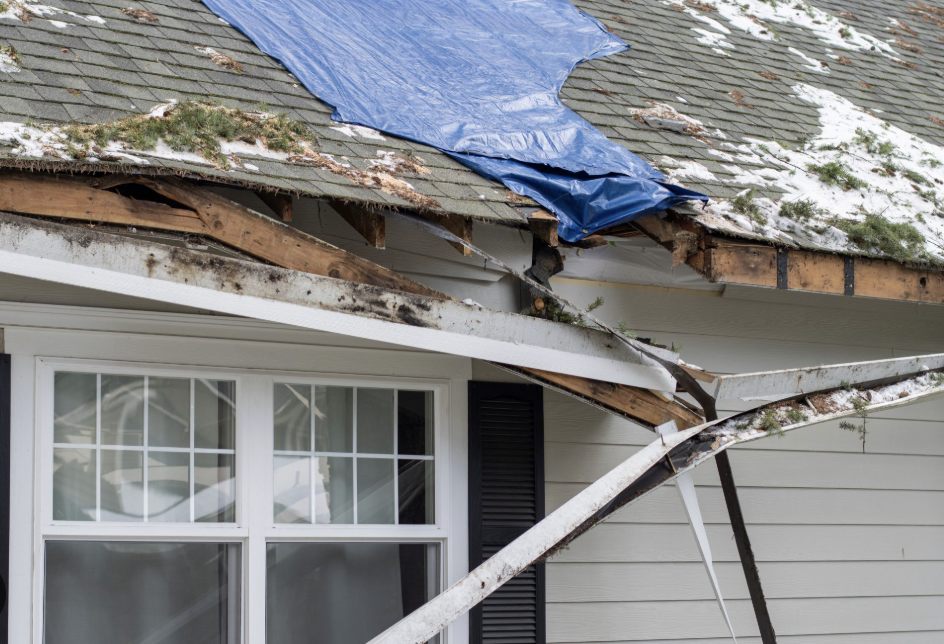
Southeast Wisconsin lies within a region that experiences severe thunderstorms with damaging winds throughout the spring, summer, and fall months. Straight-line winds in these storms frequently reach 60–80 mph; derecho events have produced gusts over 100 mph in parts of Wisconsin in recent years. These events produce wind damage that varies from minor (loose shingles, downed branches) to major (partial roof failures, structural damage).
What wind damage looks like on a Wisconsin home:
- Missing or lifted shingles—shingles that have been fully removed or whose edges have been lifted, compromising the seal and exposing the underlayment
- Damaged or blown-off ridge caps and hip shingles, which are particularly vulnerable to uplift
- Soffit and fascia separation or damage—wind gets under these components and pries them away from the structure
- Siding panels that have buckled, cracked, or blown off entirely
- Gutter separation from the fascia
- Window and door frame damage from tree limb impact or debris strike
- Garage door damage—garage doors are among the most wind-vulnerable components of a home
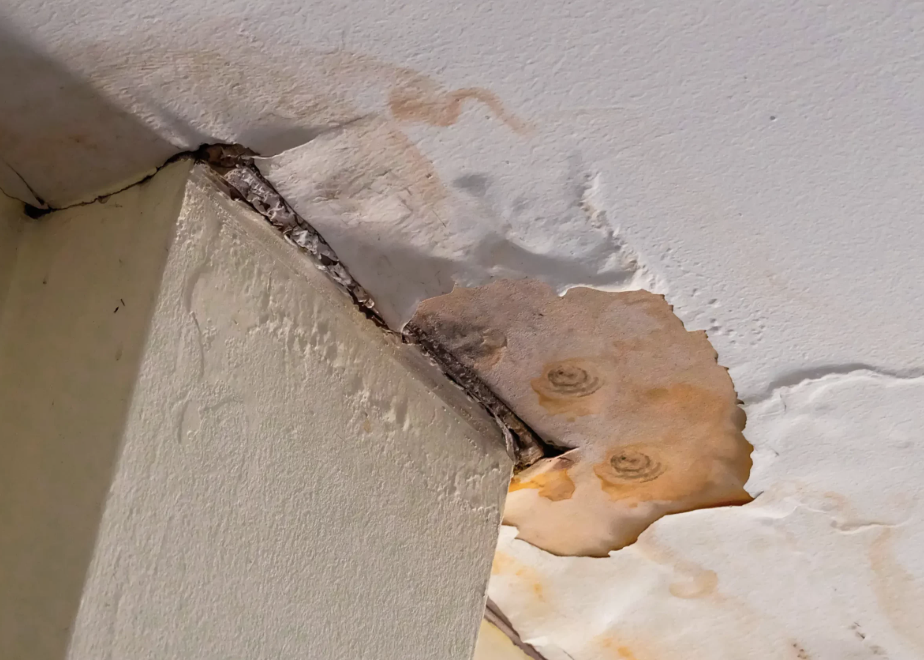
After wind damage, board-up and tarping of compromised roof areas must happen within 24–48 hours to prevent water intrusion. Wisconsin storms that produce wind damage often bring rain during the same event or in subsequent days—a compromised roof that isn’t protected becomes a water damage claim on top of the wind claim.
Hail Damage in Southeast Wisconsin
Southeast Wisconsin experiences hail events throughout the storm season, and insurance claims data consistently ranks Wisconsin among the higher hail-claim states in the Midwest. Hail damage is counterintuitive because it often isn’t obvious from the ground but significantly shortens roof lifespan and voids manufacturer warranties.
What hail damage looks like:
On asphalt shingles, hail impacts create “bruising”—soft spots where the granule coating has been dislodged and the underlying asphalt mat is exposed. These impact points are most visible from the roof surface with raking light or when pressed with a thumb (the bruise feels soft). From the ground, you can sometimes see areas where granule loss creates a lighter color, but ground inspection is not reliable for hail damage assessment.
On gutters and downspouts, hail creates visible dents and impact marks. Metal gutters with multiple impact dents from a recent storm event are strong evidence of hail damage to the roof surface as well.
On skylights, HVAC equipment, vents, and flashing, hail damage is often visible as dents or cracks. A dented HVAC unit next to an unaffected roof raises questions; dents on all metal surfaces of a property are consistent with significant hail impact.
For insurance purposes, hail damage claims require that the hail event, date, and storm path be documented. Insurance adjusters typically cross-reference with storm data. Getting a professional assessment of hail damage before filing a claim—ideally from an IICRC-certified restoration contractor or a licensed public adjuster—helps ensure you understand the scope before the insurer’s adjuster arrives.
Flash Flooding in Southeast Wisconsin: When Storms Send Water Inside
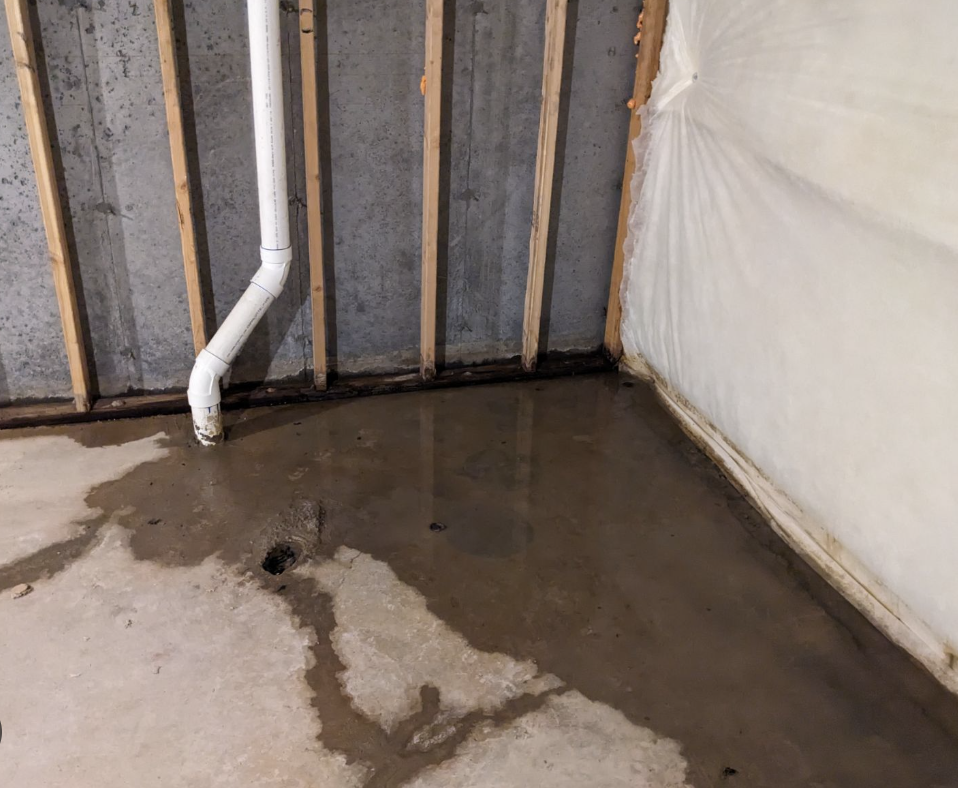
Flash flooding is a significant and growing concern in Southeast Wisconsin. The Milwaukee and Waukesha county region has experienced multiple major flooding events in recent years as development has increased impervious surface area and heavy rainfall events have become more intense. Basements are the most common flash flood victim in this region.
Common flash flooding entry points in Wisconsin homes:
- Window wells that fill with water faster than they drain, allowing water to enter through basement windows
- Foundation cracks that allow hydrostatic pressure to push groundwater through the walls
- Sump pump failure during power outages—exactly when pumps are most needed
- Floor drain backup when the municipal sewer system is overwhelmed and sewage flows back into the home (a separate and more serious Category 3 contamination event)
- Bilco door and hatchway leakage into stairwells
Flash flooding from surface water or sewer backup is typically excluded from standard homeowners insurance and requires a separate flood insurance policy (NFIP or private) or, for sewer backup, a specific endorsement. This coverage gap surprises many Wisconsin homeowners who discover that their standard policy doesn’t cover a flooded basement from the July storm that everyone in the neighborhood experienced. Review your policy before storm season.
The Restoration Process After a Severe Storm
After a storm that produces wind, hail, or flood damage in Southeast Wisconsin, the restoration sequence follows this general order:
Emergency stabilization (first 24–48 hours). Tarping and board-up of compromised openings prevents additional water intrusion from subsequent rain events. Water extraction from flooded areas begins as soon as possible to limit absorption into building materials and reduce mold risk. Downed trees on structures are cleared to the extent needed to allow tarping and safety access.
Documentation (concurrent with stabilization). Photo and video documentation of all storm damage, including the roof surface, siding, gutters, and interior water damage, before any cleanup begins. This documentation is the foundation of the insurance claim.
Insurance claim filing and adjuster inspection. For storm damage covered by homeowners insurance, filing the claim promptly is important—Wisconsin insurers have internal timelines for inspections, and delays in filing can complicate the claim. A restoration contractor experienced with Wisconsin storm claims can assist in preparing the scope of loss documentation that the adjuster will review.
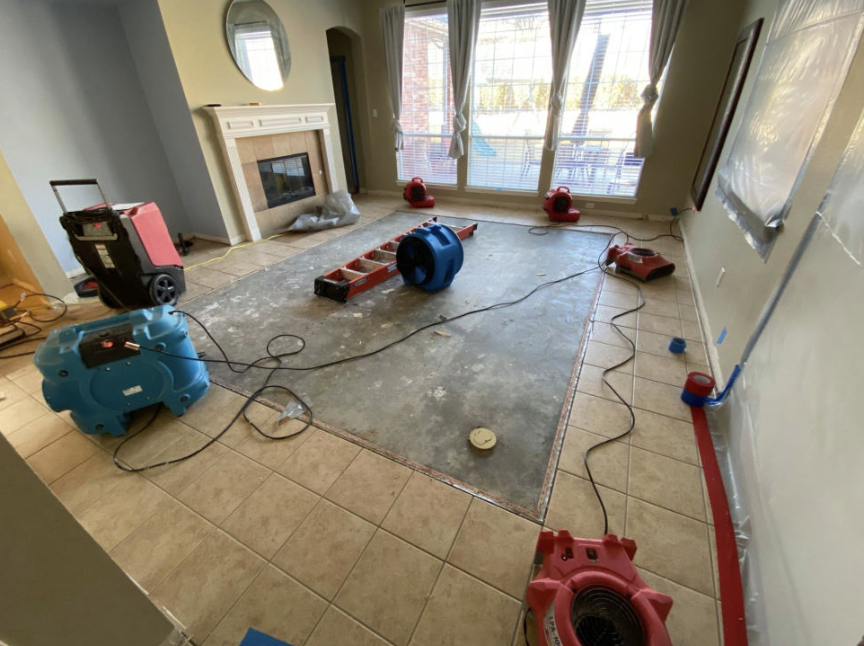
Structural drying (for water damage component). If water entered the home during the storm, structural drying of affected materials begins after extraction and runs for several days with commercial dehumidification equipment.
Reconstruction. Replacement of damaged roofing, siding, drywall, flooring, and other materials follows the drying and insurance approval phases.
Frequently Asked Questions
How long do I have to file a storm damage insurance claim in Wisconsin?
Wisconsin does not set a specific deadline for storm damage claims in statute, but your insurance policy itself sets a notice requirement—typically requiring “prompt” or “immediate” notice of a loss. Most Wisconsin insurers expect claims to be filed within days to weeks of a storm event, not months later. Filing late can result in a coverage dispute. Document damage immediately after the storm and contact your insurer within a few days of the event.
Does my Wisconsin homeowners insurance cover flash flood damage to my basement?
In most cases, no. Standard homeowners policies in Wisconsin exclude flooding caused by surface water, groundwater, or overflow of a body of water. This type of flood damage requires a separate NFIP (National Flood Insurance Program) policy or private flood insurance. Sewer backup—where the municipal sewer overflows into your home—is also typically excluded unless you have a specific sewer/water backup endorsement. Review your policy and contact your agent to confirm what coverage you have before a storm event.
What is the best time of year to have hail damage inspected in Southeast Wisconsin?
Hail damage should be inspected as soon as possible after the storm event, ideally within the same season. Insurance policies have statutes of limitations, and hail damage that is not identified and claimed within 1–2 years of the event may not be claimable. Additionally, the longer damaged shingles are exposed, the greater the risk of additional water damage, voided warranty, and complication of the claim by non-storm wear.
My basement flooded during a storm and now has a musty smell. What do I do?
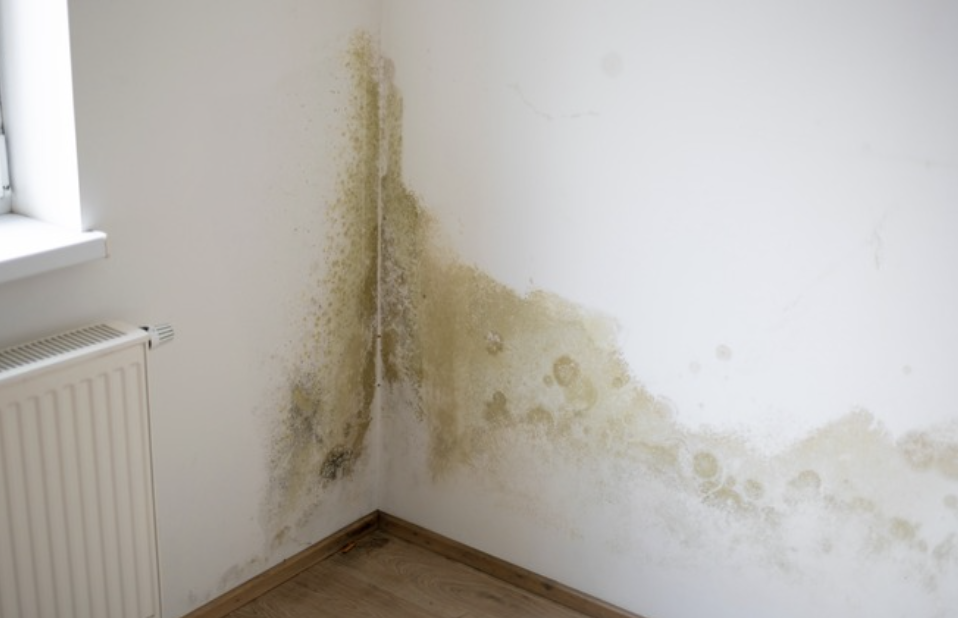
A musty smell after basement flooding indicates mold has begun to establish on wet building materials—typically the drywall paper facing and any wood components that remained wet for 48 hours or more. This is not a surface cleaning problem; professional mold remediation is required to remove mold-contaminated materials. Contact a restoration professional as soon as you notice the odor—the longer mold grows undisturbed, the larger the remediation scope becomes.
Storm Damage in Southeast Wisconsin? 911 Restoration Is Ready 24/7
911 Restoration of SE Wisconsin provides 24/7 emergency response to wind, hail, and flood damage throughout the Southeast Wisconsin region. From emergency tarping and water extraction to full restoration and insurance claim coordination, we handle the complete scope of storm recovery. Visit our water damage restoration page to reach our team any time.
Latest Posts

Contact Us
For Advice
Need help? Talk to an expert
(262) 294-6360