
9Jun
Sump Pump Failure: What to Do When Your Basement Floods
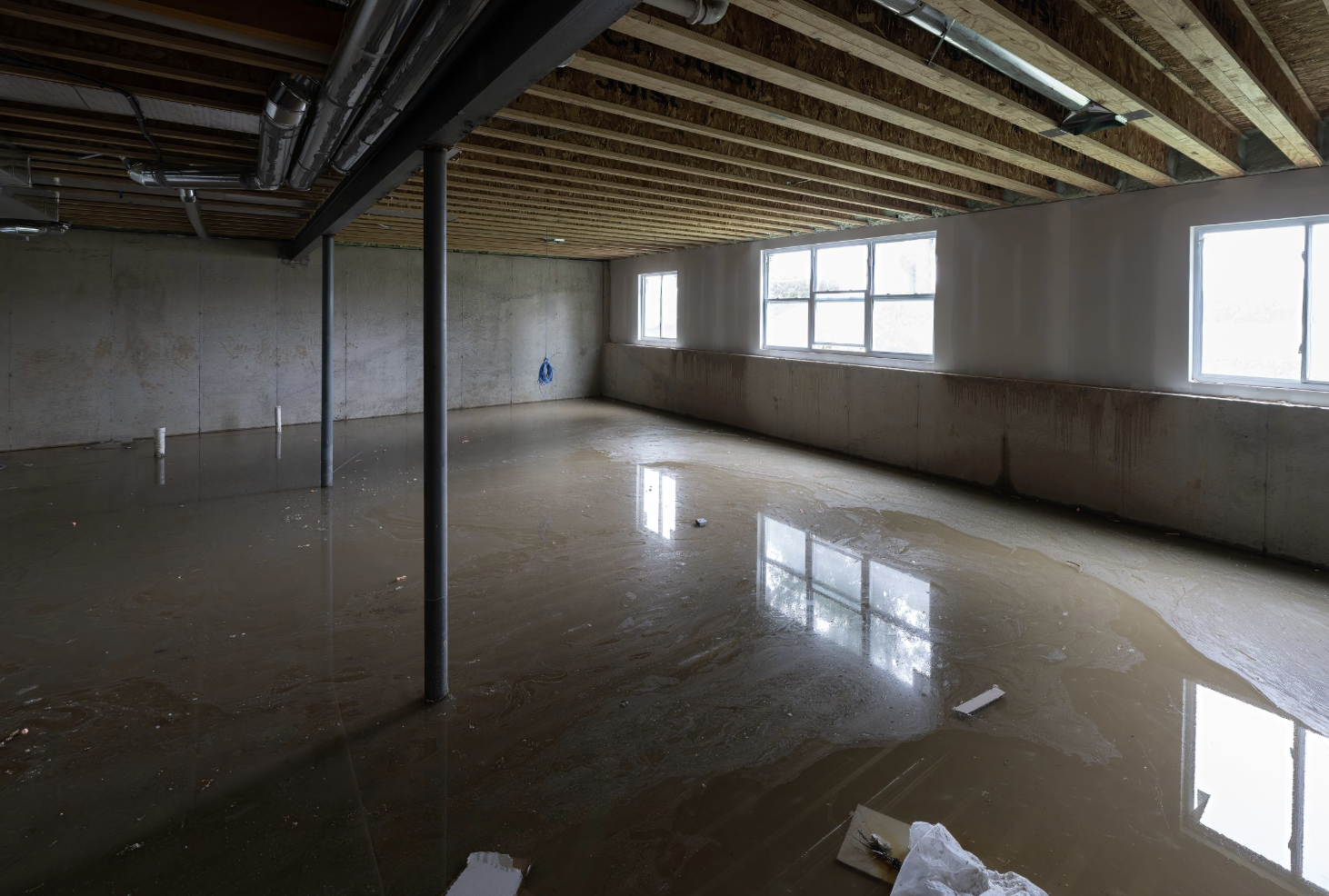
When a sump pump fails during heavy rain or snowmelt, cut power to the sump pit if there is standing water near any electrical source, then call a water damage restoration company immediately - basement flooding from a failed sump pump can reach 6 to 12 inches within hours and requires professional extraction and structural drying to prevent mold and foundation damage.
In Southeast Wisconsin, sump pump failure is the leading cause of basement flooding. Homes across Racine County, Milwaukee, and Waukesha County sit on clay-heavy soil with a high water table, making sump pumps a year-round line of defense - not just a spring accessory. When a pump fails during a heavy rain event or spring snowmelt, the consequences move fast.
The First 15 Minutes: What to Do Right Now
If your basement is actively flooding due to a sump pump failure, speed matters. Here's the sequence:
- Cut power if there's standing water near electrical sources. Flooded basements with outlets, appliances, or panels submerged in water are an electrocution risk. If you can't safely reach the breaker, don't enter the basement until the power is confirmed off.
- Don't grab a shop vac. A household wet-dry vacuum holds 5 to 10 gallons. Serious basement flooding involves hundreds to thousands of gallons. A shop vac in a flooding basement is like bailing a boat with a cup - and it delays calling people who have industrial extraction equipment.
- Move valuables up, not out. If it's safe to enter, move items off the floor and onto shelving or higher ground. Furniture legs sitting in water for hours will wick moisture into the piece.
- Document before you touch anything. Photos and video of the water level, the sump pit, and the visible damage protect your insurance claim. Do this before any cleanup starts.
- Call a restoration team.Water damage restoration handles extraction, drying, and mold prevention - all of which need to happen fast. Call (262) 294-6360 for 24/7 emergency response.
Why Sump Pumps Fail in SE Wisconsin
Understanding why your pump failed helps you prevent it from happening again. The most common causes:
Power Outage
SE Wisconsin's thunderstorm and winter storm seasons knock out power regularly - often during the same heavy rainfall that makes a functioning sump pump essential. If your pump runs on line power with no battery backup, a storm that knocks out your electricity at 2 a.m. will flood your basement by morning.
Float Switch Malfunction
The float switch is what tells the pump to turn on when water rises. Over time, floats can get stuck, tangled, or jammed - especially in pits that accumulate sediment or debris. A pump that doesn't activate when water rises is effectively no pump at all.
Overwhelmed Capacity
During major rain events or rapid spring snowmelt, the volume of water entering the pit can exceed what the pump is rated to handle. An undersized pump that's barely keeping up in normal conditions will fail during the events when you need it most.
Age and Wear
Most residential sump pumps have a lifespan of 7 to 10 years. A pump that's been running hard through Wisconsin winters for a decade without service is a liability waiting to materialize.
Frozen or Clogged Discharge Line
The discharge line that carries water out of the pit and away from the foundation can freeze during winter or become clogged with debris. A pump running against a blocked discharge will burn out its motor - and you won't know until the next rain event.
Why DIY Cleanup Isn't Enough
After a sump pump failure, the visible water on your basement floor is only part of the problem. Water that's been sitting - even for a few hours - has done much more than what shows at the surface:
- Concrete is porous. Water wicks into concrete walls and floors and stays there long after the surface appears dry.
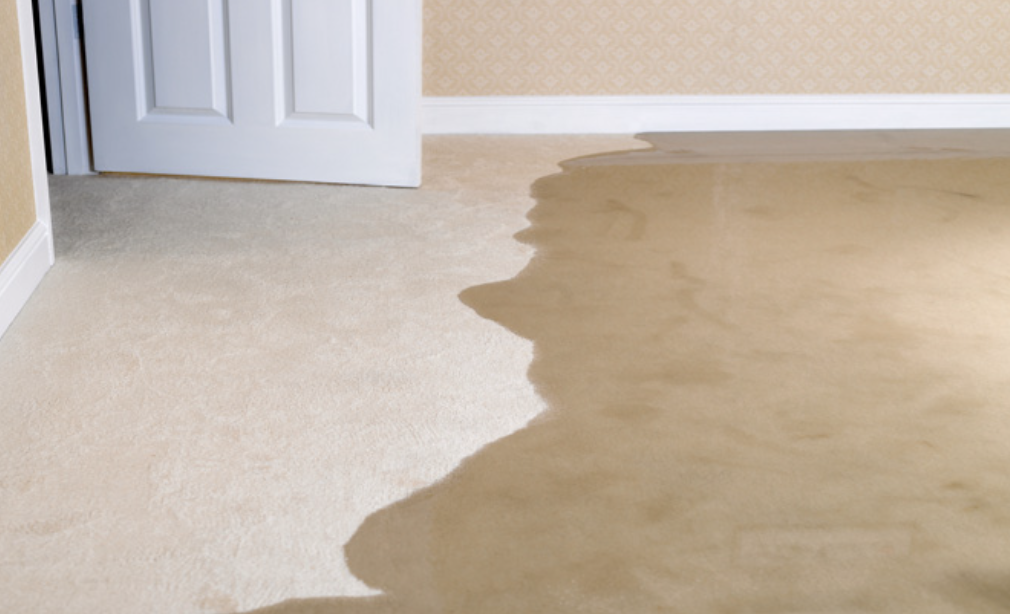
- Framing and drywall absorb fast. Any wood framing or drywall that's been in contact with water begins to soften and absorb moisture immediately. Without professional drying, these materials stay wet inside even after air drying the surface.
- Insulation holds water. Basement insulation - batt or rigid board - absorbs and holds moisture invisibly. Wet insulation is the most reliable mold incubator in a basement.
- The mold window is 24 to 48 hours. In a Wisconsin basement in spring or summer, mold can begin visibly growing in under two days if moisture isn't properly extracted.
Industrial extraction equipment removes water from all of these materials. Fans and dehumidifiers alone - even professional-grade ones - won't do it without the extraction step first.
Does Insurance Cover Sump Pump Failure in Wisconsin?
This is where most Wisconsin homeowners get an unpleasant surprise: standard homeowners insurance does not cover basement flooding caused by sump pump failure or groundwater. Flooding from underground water sources is specifically excluded from most base policies.
However, two types of coverage can protect you:
- Water backup endorsement: An add-on to your homeowners policy (typically $50-$200/year) that covers damage from sump pump failure, drain backups, and similar water intrusion events. This is by far the most cost-effective protection Wisconsin homeowners can have given our climate.
- NFIP flood insurance: Covers overland flooding (water that enters from outside the structure), but does not cover groundwater or sump pump failure - so it's not the solution for this specific scenario.
If you don't currently have a water backup endorsement, contact your insurance agent immediately. For existing damage, check your current policy documents and call your insurer to determine what coverage you have before any cleanup begins. See our insurance information page for more on navigating claims in Wisconsin.
Spring in SE Wisconsin: The Highest-Risk Season
SE Wisconsin averages 40 to 55 inches of snow per year. When that snowpack begins melting in March and April on ground that's still partially frozen and unable to absorb water, the resulting runoff overwhelms drainage systems and pushes groundwater up rapidly - often faster than a standard sump pump can handle.
Racine County, southern Milwaukee County, and Waukesha County are particularly susceptible because of the combination of clay soil (low permeability), flat terrain, and high baseline water tables. If you've had a sump pump failure in the past, spring is statistically your highest-risk window.
Preventing the Next Failure
Once the current emergency is resolved, here's how to reduce your risk going forward:
- Install a battery backup sump pump. These activate automatically if line power fails and provide emergency capacity when your primary pump is overwhelmed. This is the single most impactful upgrade for SE Wisconsin homes.
- Test your pump annually. Pour a bucket of water into the pit and confirm the pump activates, the float switch works, and water exits through the discharge line without obstruction.
- Clear the discharge line before winter. Check that the exterior end of the discharge line is above snow level and free of debris or ice blockage before November.
- Replace aging pumps proactively. A 10-year-old pump that's still running isn't necessarily a reliable pump. Consider replacement before it fails during a storm.
- Add a water backup insurance endorsement. As noted above - the premium cost is minimal compared to an uninsured basement flooding claim.
Mold: The Secondary Problem That Arrives Fast
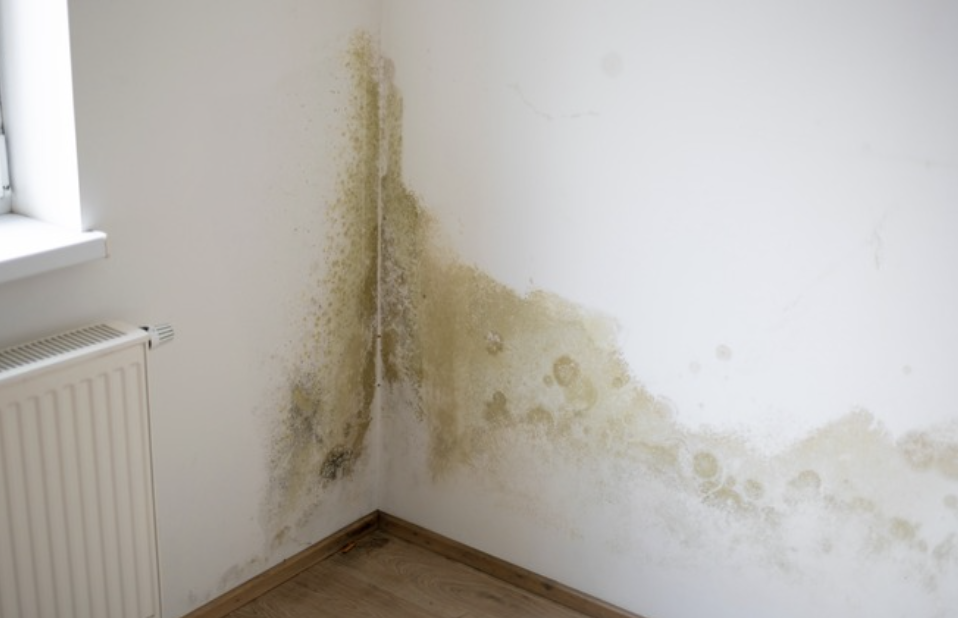
After a sump pump failure is resolved, the work isn't over. Wisconsin basements - cool, damp, and often poorly ventilated - are among the most mold-prone spaces in any home. If the flooding left behind moisture in walls, framing, or insulation that wasn't professionally extracted and dried, mold can establish itself within 24 to 48 hours.
Signs that mold has developed after basement flooding include a persistent musty odor, visible discoloration on drywall or wood surfaces, or recurring allergy-like symptoms in household members. If you notice any of these after a flooding event, contact us for a mold inspection alongside any ongoing drying work.
We Serve All of SE Wisconsin - 24/7
911 Restoration of Southeast Wisconsin responds to basement flooding emergencies throughout Milwaukee, Racine County, and Waukesha County - including Franklin, Greenfield, New Berlin, Muskego, Brookfield, Wauwatosa, Racine, Mount Pleasant, Caledonia, Waukesha, Oconomowoc, and surrounding communities.
If your sump pump has failed and your basement is flooding, call us now at (262) 294-6360. We're available 24/7/365 with a 45-minute response time - because basement flooding doesn't wait for business hours.
Latest Posts



Contact Us
For Advice
Need help? Talk to an expert
(262) 294-6360